
FDM 3D Printing Service Australia: Industrial-Grade, Fast, and Built for Manufacturers
Quantix 3D Printing is an industrial FDM 3D printing service provider built for engineers, manufacturers, and procurement teams across Australia. Our FDM 3D printing service runs 11 materials, from budget PLA to flame-retardant ULTEM, with free quotes, purchase-order-friendly ordering, and no minimum order quantity.
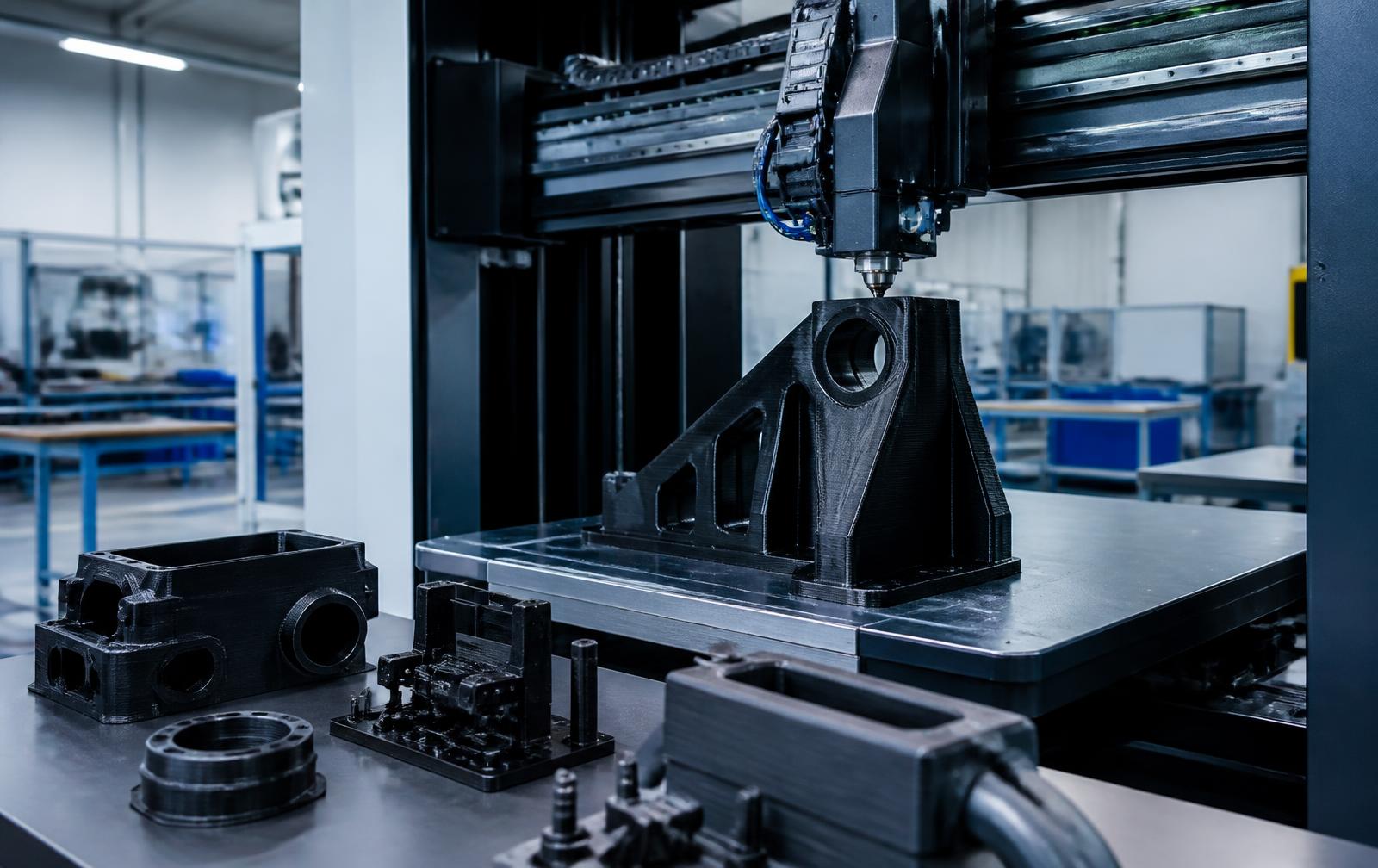
Technical Capabilities
FDM 3D Printing Australia: At a Glance
Process
FDM
Fused Deposition Modelling
Materials
11
from PLA to ULTEM 1010
Turnaround
24 hours
standard jobs ship within
Tolerance
±0.15mm
per 100 mm
Build Size
914 × 609
× 914 mm single piece
Minimum Order
None
prototypes & batches same quote
Service Area
Australia-wide
every state & territory, online
Quote
Free
manufacturability check included
Industrial FDM 3D Printing Built for Procurement, Not Just Prototyping
Quantix 3D Printing's industrial FDM 3D printing service runs on procurement logic. Engineering teams validate designs. Procurement teams source replacement parts at volume. Manufacturers get jigs, fixtures, and functional components on a schedule they can actually plan around. Purchase orders accepted. No lock-in contracts. Dedicated account support for repeat orders. Process advice from a team that understands manufacturing, not just 3D printing.
Is FDM 3D Printing the Right Choice for Your Part?
Match your requirement to the FDM recommendation
Excellent FitFDM is the answer, usually shipping within 24 hours.
Excellent FitFDM in an engineering plastic like polycarbonate, nylon, or ULTEM holds up under genuine mechanical and thermal load.
Excellent FitThis is exactly what FDM was built for.
Consider SLA / MJFFDM isn't the right process; SLA or MJF will serve you better.
Excellent FitASA resists the yellowing and cracking that standard ABS develops in sunlight.
Excellent FitULTEM 9085 is flame-retardant and FST-rated; ULTEM 1010 holds up to roughly 216°C.
Still not sure?
Upload your file for a free quote and our team will tell you honestly if FDM is the right call, or point you to a better-suited process.
How Does FDM 3D Printing Work? The FDM 3D Printing Process, Step by Step
The FDM 3D printing process builds a part from the bottom up, one thin layer at a time:
- 1
The file is prepared.
Your 3D model is sliced into hundreds or thousands of horizontal layers, and the software plans print path, orientation, and any support structures needed.
- 2
The filament is heated.
A spool of solid plastic filament feeds into a nozzle, heated until it's soft enough to extrude without degrading.
- 3
The nozzle draws each layer.
Moving precisely across the build plate, the nozzle deposits melted plastic exactly where the model needs it, fusing to the layer below as it cools.
- 4
The part builds up.
The platform steps down (or the nozzle steps up) and the process repeats, layer after layer, until the part is complete.
- 5
Supports come off.
Any overhangs or bridges printed with temporary support material are removed, and the part is inspected before it ships.
No tooling, no mould, and next to no waste beyond the occasional support structure, which is what makes FDM the most affordable and fastest process Quantix 3D Printing runs.
What Makes Our FDM 3D Printing Service Different for Industrial and Commercial Buyers
Quantix 3D Printing is built for manufacturing and procurement teams who need reliable parts, fast quotes, and honest process advice.
11 FDM materials in one place
from budget PLA through to flame-retardant, 216°C-rated ULTEM 1010, more breadth than any competitor benchmarked for this page.
Large format build capacity
up to 914 × 609 × 914mm in a single piece on engineering-grade materials, with larger parts split and bonded when a design calls for it, no need to redesign around a smaller machine.
Genuinely fast turnaround
standard jobs ship within 24 hours, not “as fast as” a best-case scenario.
No minimum order quantity
a single prototype and a 500-unit production batch are quoted the same way, with no setup fee.
Purchase-order friendly
built for procurement workflows, not just one-off card payments.
Free file review and honest process advice
including telling you when a different process would serve your part better.
Ships Australia-wide
every state and territory, not a single-city operation with a national-sounding website.
Strictly confidential
every file and project detail stays private, and NDAs are available on request for ongoing accounts.
Account support for repeat orders
a consistent point of contact for engineering and procurement teams ordering regularly.
FDM 3D Printing Materials: Full List and How to Choose
Quantix 3D Printing runs FDM across 11 materials, more breadth in one place than any competitor benchmarked for this project. Full technical detail lives on the materials page; the table below is the FDM-specific slice.
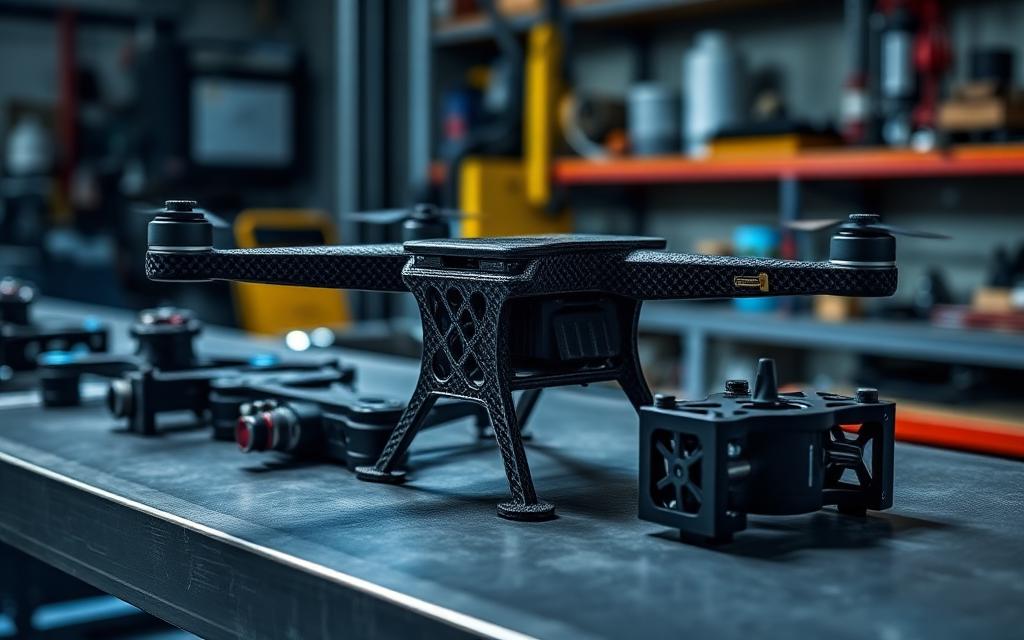
| Material | Best for | Heat Resistance | Max Build Size | Tolerance |
|---|---|---|---|---|
| PLA | Concept models, quick iteration, display pieces | ~70°C | 300 × 300 × 450mm | ±0.15mm/100mm |
| ABS | General-purpose prototypes, everyday functional parts | ~70°C | 300 × 300 × 450mm | ±0.15mm/100mm |
| ABS-M30i(food/medical-contact grade) | Food-contact and sterilisable-grade applications | ~96°C | 914 × 609 × 914mm | ±0.15mm/100mm |
| ASA(UV-stable) | Outdoor and UV-exposed parts | ~98°C | 914 × 609 × 914mm | ±0.15mm/100mm |
| Polycarbonate (PC) | High-strength functional parts and tooling | ~138°C | 914 × 609 × 914mm | ±0.15mm/100mm |
| PC-ISO(biocompatible-grade) | Higher-spec functional parts requiring a biocompatible-grade material | ~133°C | 914 × 609 × 914mm | ±0.15mm/100mm |
| Nylon 6 | Tough, wear-resistant functional parts | ~93°C | 914 × 609 × 914mm | ±0.15mm/100mm |
| Nylon 12 | Chemical-resistant functional parts | ~97°C | 914 × 609 × 914mm | ±0.15mm/100mm |
| Nylon 12 CF(carbon-filled) | Maximum stiffness-to-weight, jigs and fixtures | ~147°C | 914 × 609 × 914mm | ±0.15mm/100mm |
| ULTEM 9085(flame-retardant) | Aerospace-grade, flame/smoke/toxicity-rated parts | ~153°C | 914 × 609 × 914mm | ±0.15mm/100mm |
| ULTEM 1010(steam-sterilisable grade) | Highest heat resistance of any FDM material offered | ~216°C | 914 × 609 × 914mm | ±0.15mm/100mm |
Best Material for FDM 3D Printing, by Job
The best material for FDM 3D printing comes down to one question: what does the part have to survive?
- Fastest, most affordable concept model: PLA.
- General-purpose functional prototype: ABS or PETG-equivalent performance via ABS-M30i.
- Outdoor or UV-exposed part: ASA.
- High-strength tooling or structural part: Polycarbonate or Nylon 12 CF.
- Flame-retardant or high-heat part: ULTEM 9085 or ULTEM 1010.
- Still unsure? Our free quote process includes material advice at no cost.
What Is FDM 3D Printing Used For?
FDM's combination of speed, cost, and material range makes it a genuine production process, not just a prototyping step:
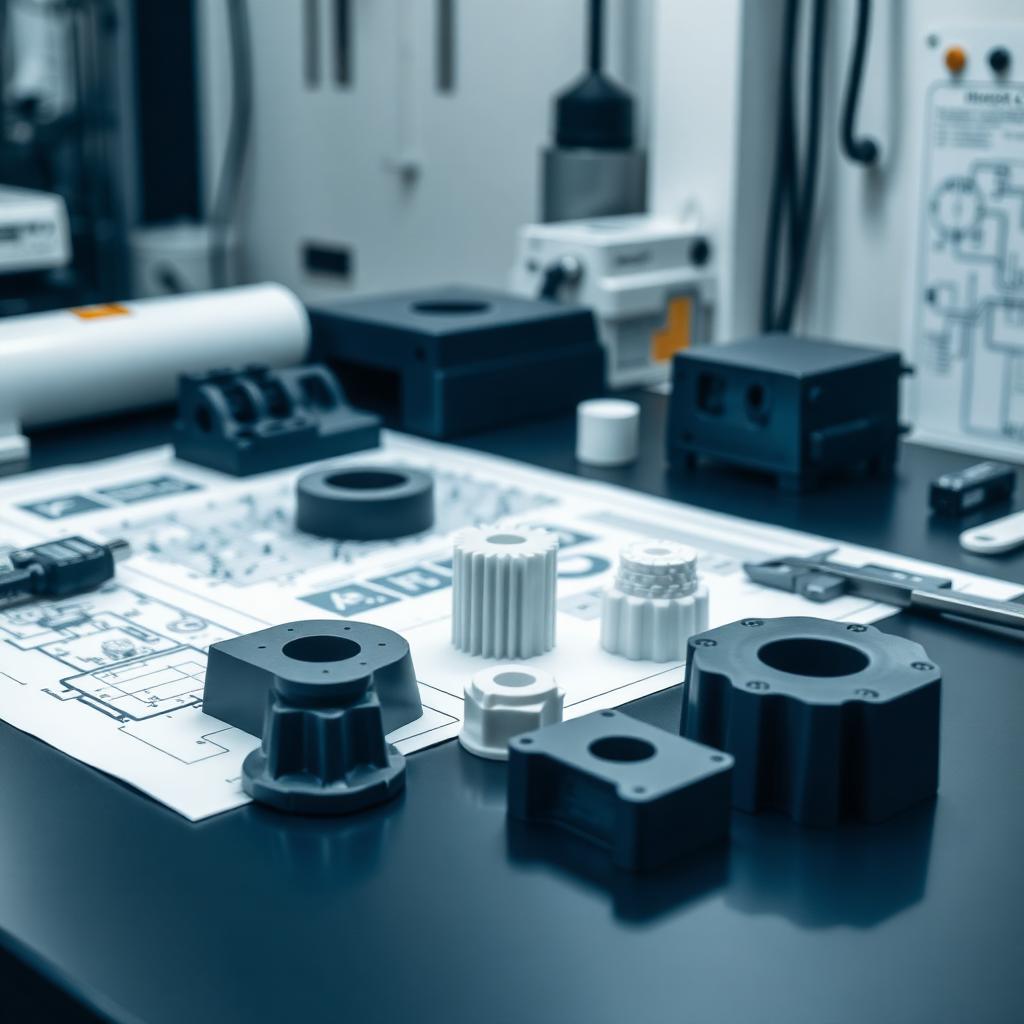
FDM rapid prototyping Australia
the fastest way to hold a real, working version of a design. Engineering and product teams use it to test form, fit, and function before committing to production, often turning a design iteration around in a single day.
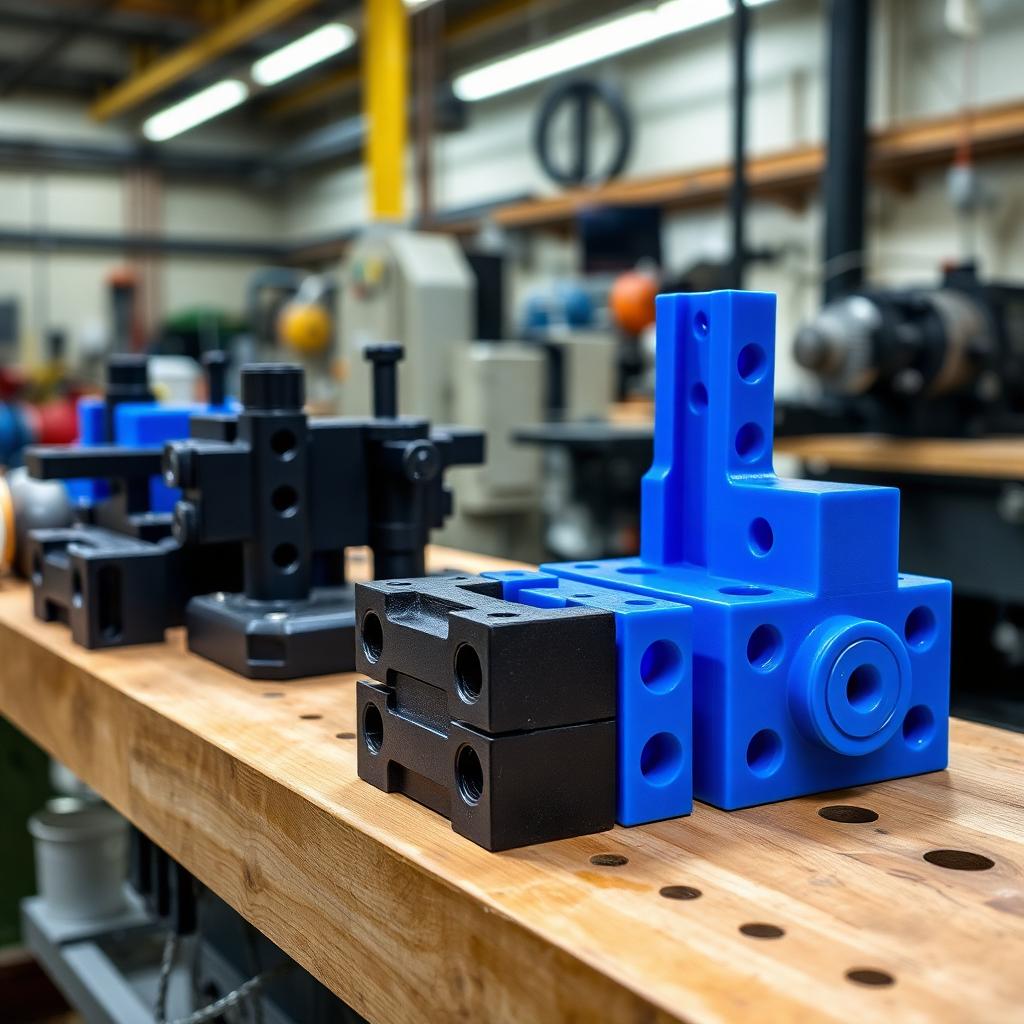
FDM 3D printing jigs and fixtures
tools your own production line uses, affordable enough to redesign the moment your process changes, and durable enough in engineering plastics like nylon or polycarbonate to survive daily shop-floor use.
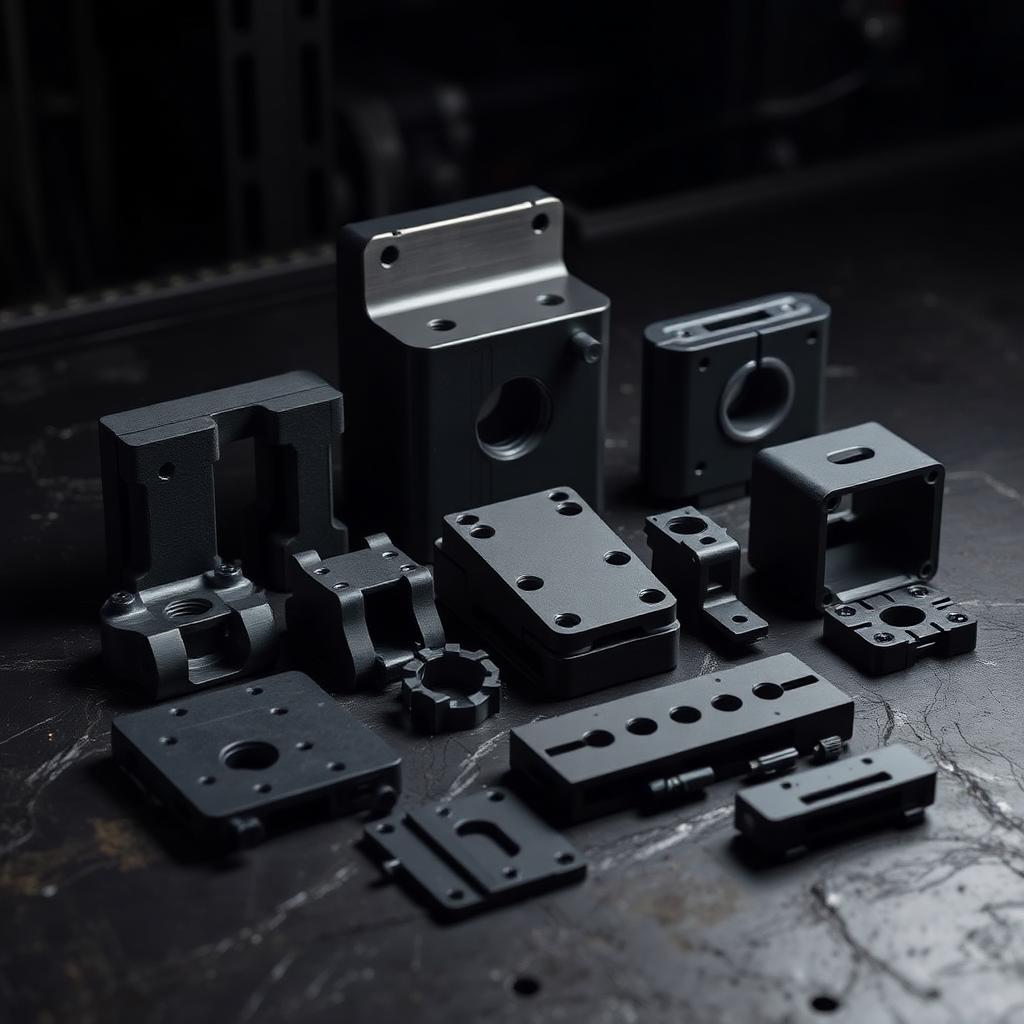
FDM 3D printing functional parts
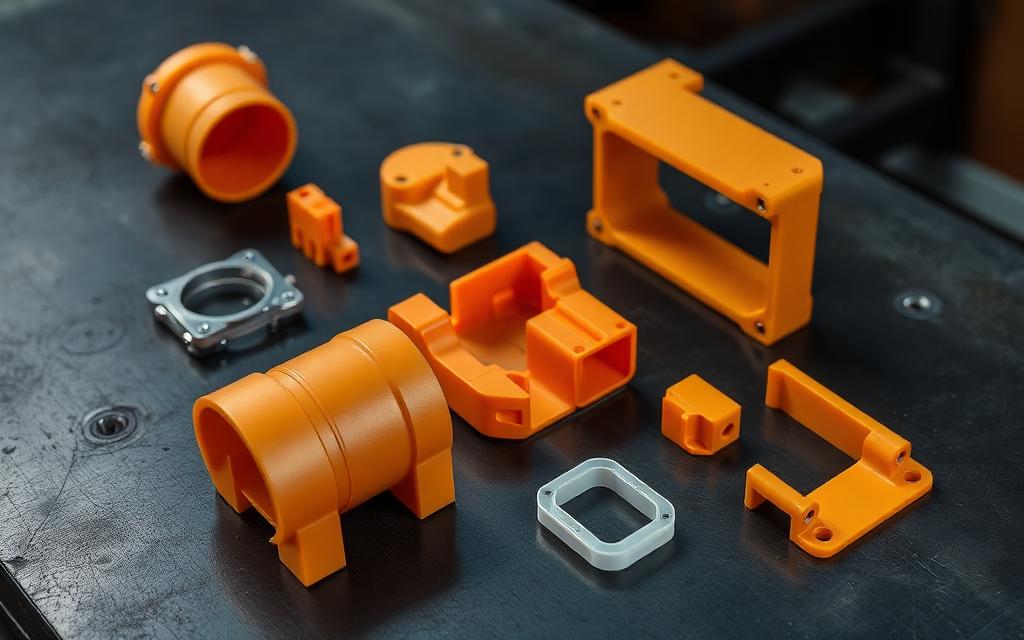
brackets, housings, mounts, and mechanical components that genuinely hold up under load when printed in the right material, making FDM a legitimate production process, not just a design-stage tool.
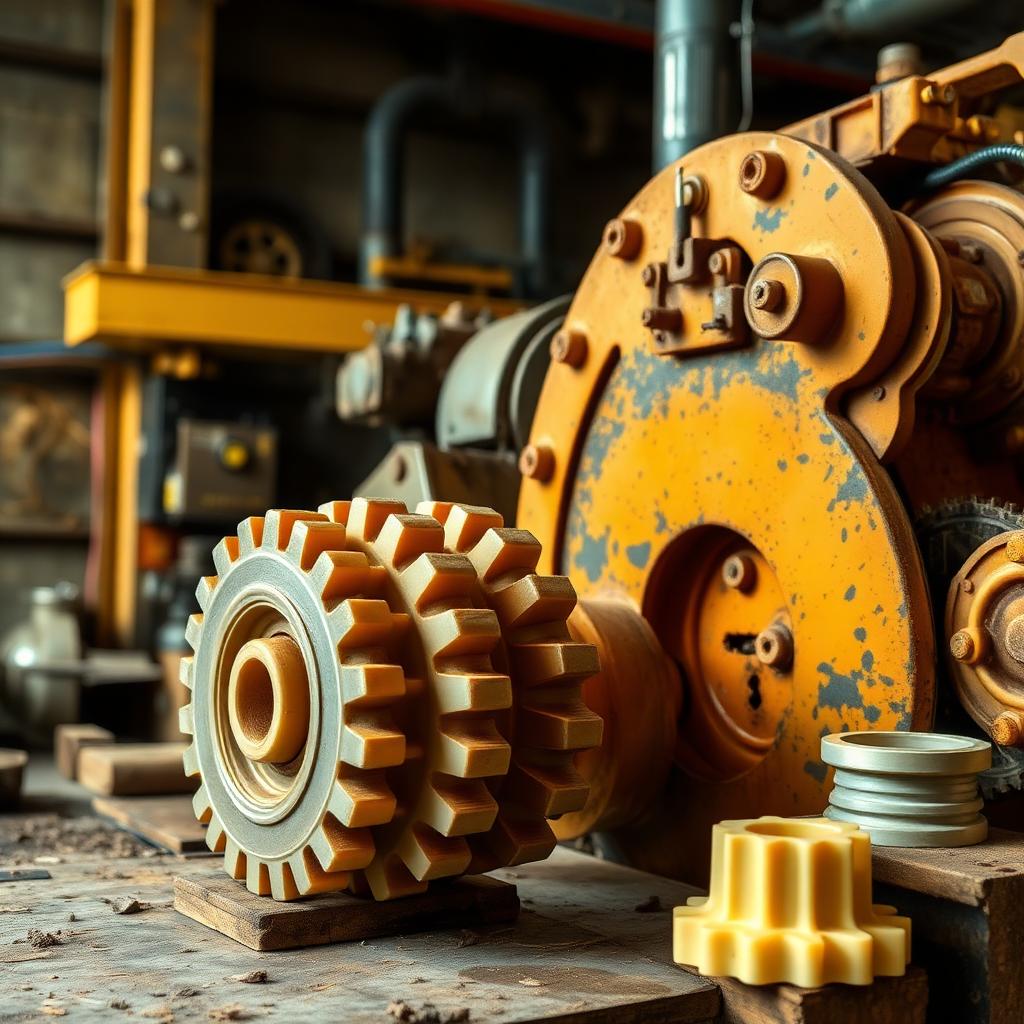
FDM 3D printing replacement parts
when an original manufacturer no longer supplies a component, reproduce it from a scan or a CAD file with no tooling required, whether you need one part or a full batch of spares. This matters most for equipment that's expensive to leave idle: mining and agricultural machinery in remote locations, where waiting weeks for an OEM part can cost far more than the part itself.
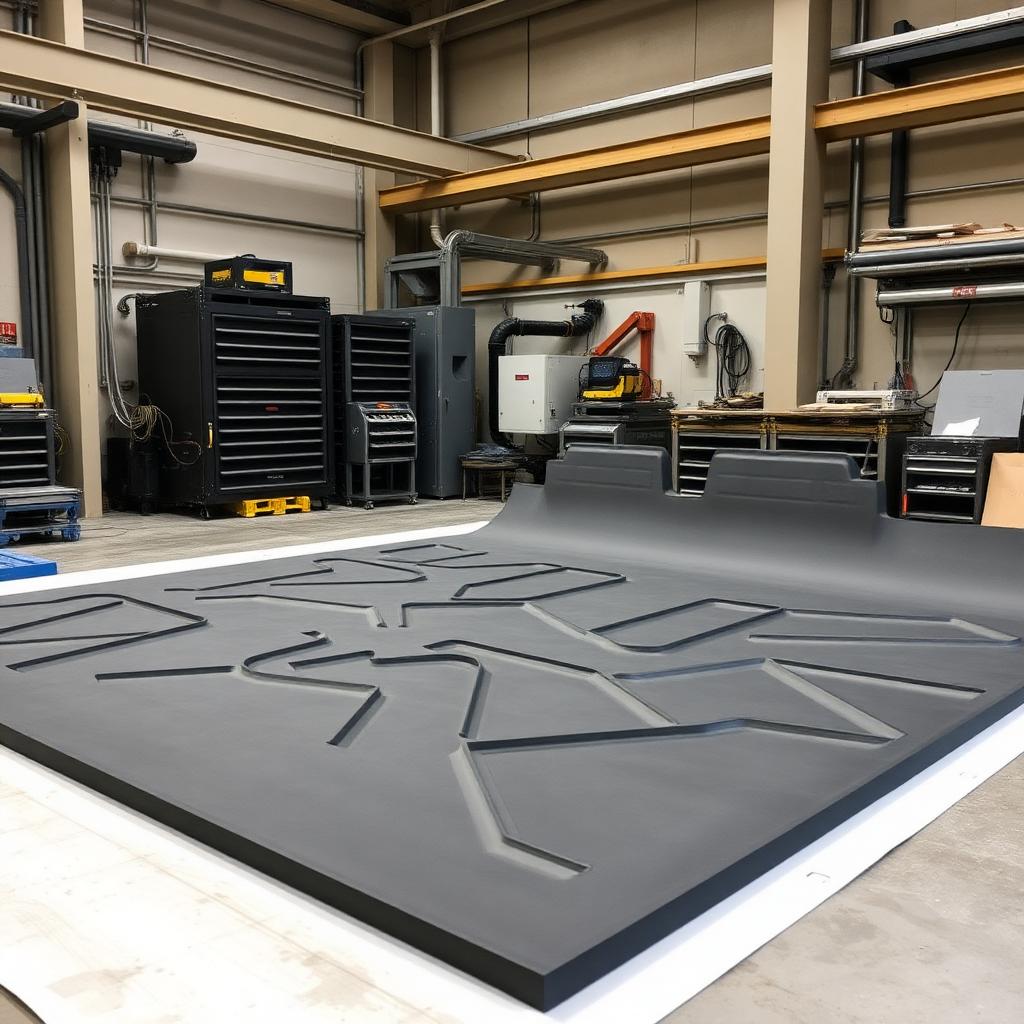
Tooling, moulds, and lay-up patterns
FDM doesn't just make the finished part, it can also make the tool that makes the part. Vacuum-forming patterns, composite lay-up moulds, and casting patterns can be printed faster and at lower cost than machining an equivalent master out of metal or wood.
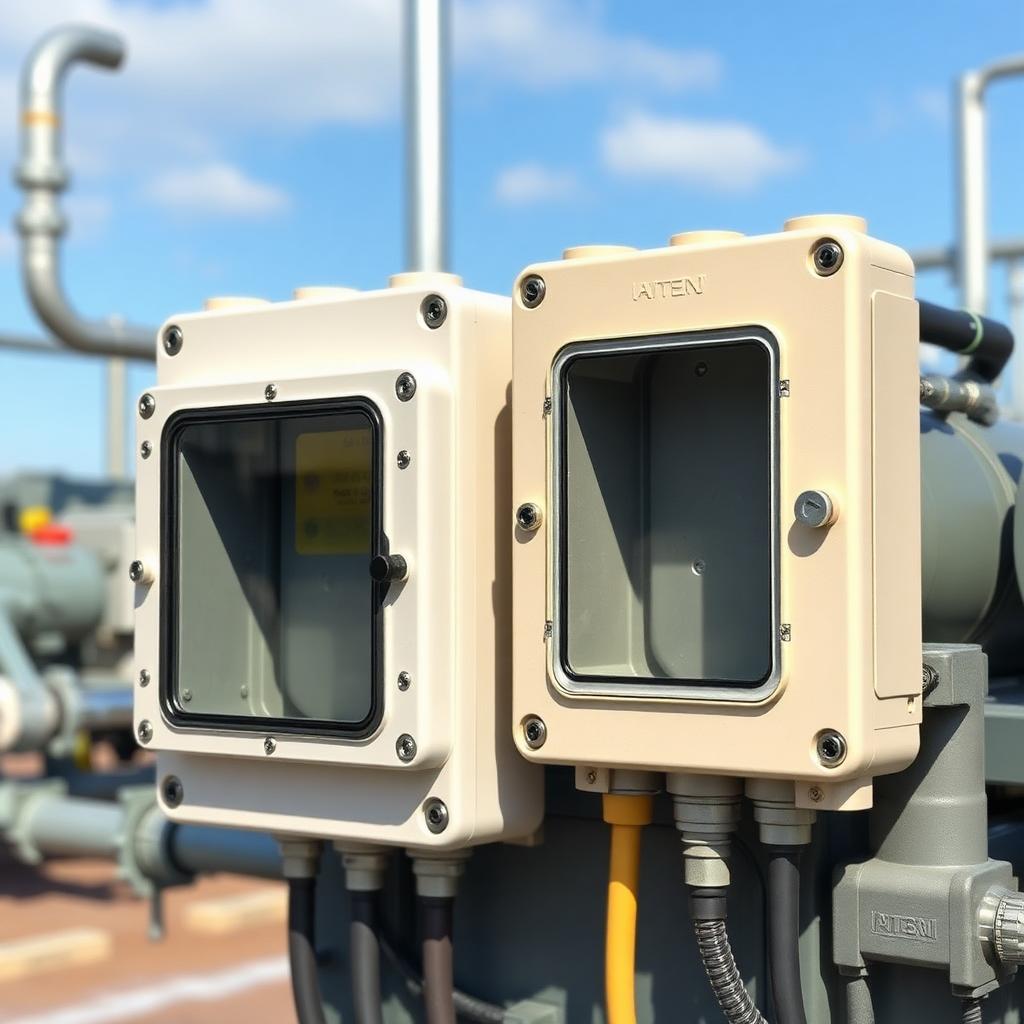
Enclosures and housings
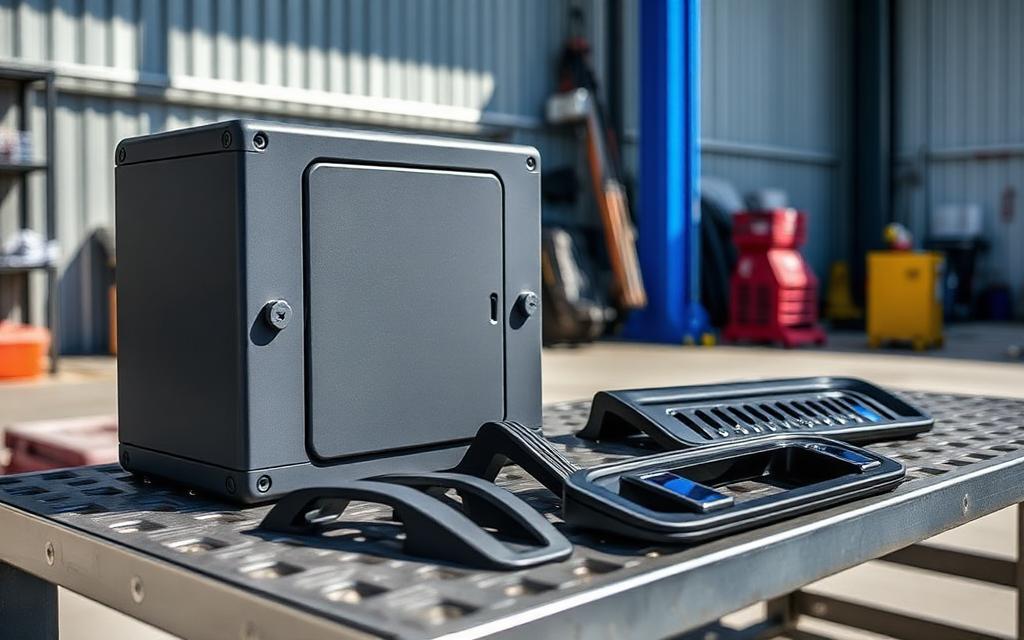
weatherproof or dust-sealed housings for sensors, electronics, and control equipment, particularly useful in field, farm, and industrial settings where an off-the-shelf enclosure doesn't fit the job.
Industries Quantix 3D Printing serves with FDM include automotive, aerospace, manufacturing and industrial equipment, mining and resources, agriculture, construction, marine, defence, electronics, robotics and automation, food and beverage equipment, education and research, and product design and consumer goods.
How Does FDM Compare to SLA and SLS?
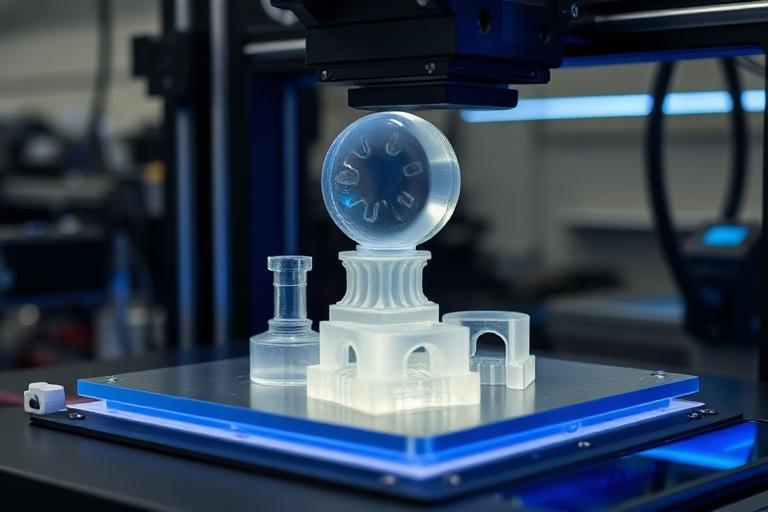
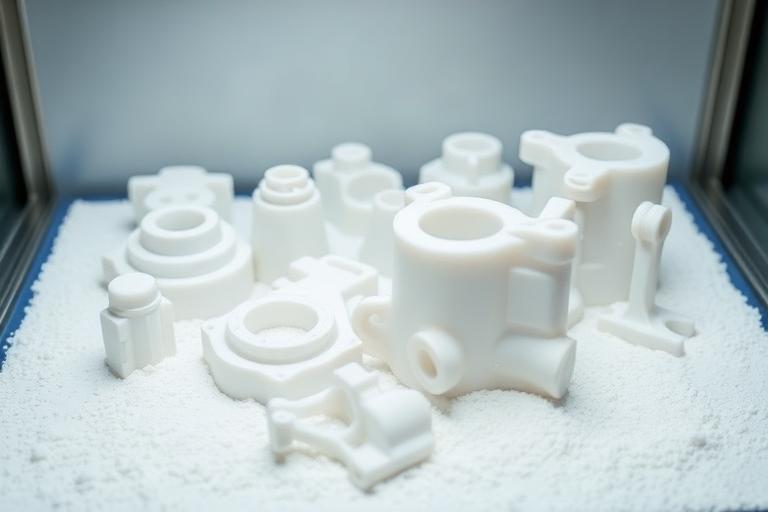
| FDM | SLA | SLS | |
|---|---|---|---|
| Speed | Fastest (ships within 24 hours) | Slower (5-6 working days) | Slower (5-6 working days) |
| Cost | Most affordable | Mid-range | Mid-to-high |
| Surface finish | Visible layer lines | Smooth, high-detail | Slightly textured, functional |
| Strength | Good, direction-dependent | Good for rigid/detail parts | Strong, consistent in all directions |
| Best for | Speed and budget | Fine detail and presentation | Complex geometry, functional end-use parts |
Full detail on all seven processes Quantix 3D Printing runs lives on the 3D printing technologies page.
FDM 3D Printing Cost Australia: What Actually Drives the Price
FDM is the most affordable 3D printing process Quantix 3D Printing offers. Rather than quote a number that won't hold up across every job, here's what actually drives FDM 3D printing cost in Australia:
Material.
Standard PLA and ABS sit at the bottom of the cost ladder; engineering plastics like polycarbonate, nylon, and especially ULTEM cost more per gram and typically print slower.
Size and volume.
More plastic and more machine time both add cost directly; a part's volume matters more than its outline dimensions.
Wall thickness and infill.
A part printed at 20% infill costs less than the same part at 80%, and thinner walls print faster and cost less.
Finishing.
Raw off the printer is the most affordable option; sanding, painting, vapour smoothing, or threaded inserts all add time and cost.
Quantity.
Per-unit cost drops as order size increases, since file setup and machine calibration are a one-time cost spread across the batch, with no minimum order or setup fee at any quantity.
Upload your CAD file for a free, no-obligation quote, and if a small design change would meaningfully cut your cost, our team will tell you before you commit, not after.
FDM 3D Printing Turnaround Time and Build Specs
- Turnaround: standard FDM jobs ship within 24 hours, the fastest FDM 3D printing turnaround time of any process Quantix 3D Printing runs.
- Tolerance: ±0.15mm per 100mm across every FDM material offered.
- Build size: up to 914 × 609 × 914mm on engineering-grade materials (300 × 300 × 450mm on standard PLA/ABS runs).
- Minimum order: none. A single prototype and a 500-unit batch are quoted the same way.
- Rush and volume jobs: turnaround on larger production batches is confirmed as part of your free quote, based on part complexity and quantity.
Getting an FDM 3D Printing Service Quote
Four simple steps from CAD file to finished parts, shipped anywhere in Australia.
- 1
Upload your file.
Send your CAD file through the online form; no account or phone call required.
- 2
We check it for free.
Our team reviews geometry, wall thickness, and orientation, and flags anything that would affect strength or cost before you commit.
- 3
You get one quote.
Material, quantity, and turnaround are all confirmed up front, no hidden fees added later.
- 4
It prints and ships.
Standard FDM jobs ship within 24 hours, delivered anywhere in Australia.
FDM 3D Printing Service Australia: Where Quantix 3D Printing Ships
No shopfront. No queue. Quantix 3D Printing ships FDM parts to every state and territory, Sydney to Darwin. Same materials, same 24-hour turnaround, wherever you're ordering from.
FDM quote request
Get a Free FDM Quote
Upload a CAD file through the online form. No account or phone call needed; the team follows up directly if anything about the design or material choice needs flagging.
- 11 FDM materials, from PLA to ULTEM 1010
- Free file review and honest process advice
- Standard jobs ship within 24 hours
- No minimum order quantity, purchase orders accepted
Frequently Asked Questions About FDM 3D Printing
What is FDM 3D printing?
FDM (Fused Deposition Modelling) is a 3D printing process that builds parts by melting plastic filament and depositing it layer by layer until the object is complete. It's the fastest and most affordable of the seven 3D printing processes Quantix 3D Printing offers.
How does FDM 3D printing work?
The FDM 3D printing process slices a model into layers, then a heated nozzle extrudes melted plastic filament along each layer, fusing to the layer below as it cools, until the part is fully built. Supports are added under overhangs and removed once printing is complete.
What is fused deposition modelling?
Fused deposition modelling is the full name for FDM: an additive manufacturing process that builds objects layer by layer from melted thermoplastic filament, rather than removing material like CNC machining or requiring a mould like injection moulding.
What materials can be used for FDM 3D printing?
Quantix 3D Printing offers 11 FDM materials: PLA, ABS, ABS-M30i, ASA, polycarbonate, PC-ISO, Nylon 6, Nylon 12, Nylon 12 CF, ULTEM 9085, and ULTEM 1010, covering everything from quick concept models to flame-retardant, high-heat engineering parts.
What is the best material for FDM 3D printing?
It depends on the job: PLA for fast, affordable concept models; ABS or ABS-M30i for general-purpose functional prototypes; ASA for outdoor and UV-exposed parts; polycarbonate or Nylon 12 CF for high-strength tooling; ULTEM 9085 or 1010 for flame-retardant or high-heat applications.
Can FDM 3D printing produce jigs and fixtures?
Yes. FDM 3D printing jigs and fixtures is one of its most common industrial uses: fast and affordable enough to redesign as your process changes, and durable enough in engineering plastics to survive daily shop-floor use.
Can FDM 3D printing produce functional parts?
Yes. FDM 3D printing functional parts like brackets, housings, and mechanical components genuinely hold up under load when printed in the right material, particularly polycarbonate, nylon, or ULTEM grades.
Can FDM 3D printing produce replacement parts?
Yes. FDM 3D printing replacement parts is a common use case for equipment that's out of production; a part can be reproduced from a scan or CAD file with no tooling required, as a single unit or a batch of spares.
What is large format FDM 3D printing?
Large format FDM 3D printing refers to builds larger than a standard desktop machine can produce in one piece. Quantix 3D Printing's standard build envelope reaches 914 × 609 × 914mm on engineering-grade materials; larger parts can typically be split and bonded without compromising strength.
How much does FDM 3D printing cost in Australia?
It depends on material, size, infill, finishing, and quantity. FDM sits at the bottom of the cost ladder across every process Quantix 3D Printing offers. Upload a file for an exact, free quote.
What is FDM 3D printing turnaround time?
Standard FDM jobs ship within 24 hours, the fastest turnaround of any process Quantix 3D Printing runs. Larger production batches are confirmed as part of your free quote.
Is there a minimum order for FDM 3D printing?
No. A single prototype and a multi-hundred-unit production batch are quoted the same way, with no setup fee.
What are the limitations of FDM 3D printing?
FDM parts show visible layer lines, are stronger in one direction than another, and hold a looser tolerance (±0.15mm/100mm) than SLA, SLS, or MJF. It's also not the best option for very fine detail.
Is there an FDM 3D printing service near me?
Quantix 3D Printing operates online, Australia-wide, rather than out of a single local shopfront, so instead of searching for an FDM 3D printing service near you, you can upload a file and have parts shipped anywhere in the country, including every state, territory, and major city.
Do you keep files and designs confidential?
Yes. Everything shared with Quantix 3D Printing is treated as strictly confidential, and NDAs are available on request for ongoing accounts.
How do I get an FDM 3D printing quote?
Upload a CAD file through the online form. No account or phone call needed; the team follows up directly if anything about the design or material choice needs flagging.