Plastic 3D Printing Service, Built for Australian Industry
A concept model, a snap-fit enclosure, a bracket that has to survive 90°C under the bonnet: three different jobs, three different plastics, three different processes. Quantix 3D Printing runs all five plastic 3D printing technologies in-house, matches the right one to your part, and ships anywhere in Australia, quoted free, no minimum order.
5 plastic processes · 35+ materials · Parts from 10 x 10mm to 1700 x 800 x 800mm · FDM ships in 24 hrs · No minimum order quantity.
Plastic 3D Printing Service Australia: What Quantix 3D Printing Delivers
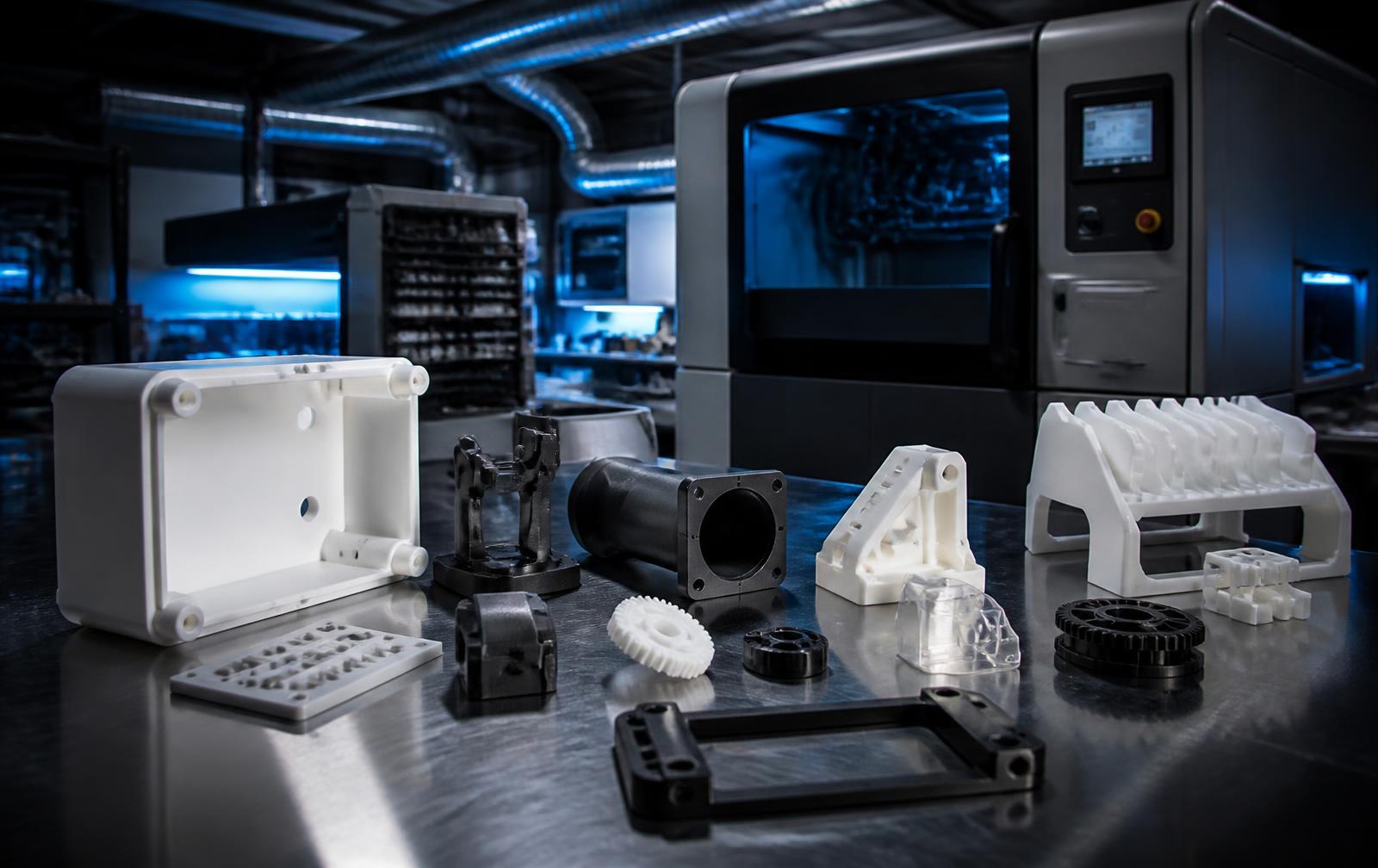
Quantix 3D Printing is Australia's local manufacturing partner for plastic 3D printing Australia businesses call on when a part needs to move fast without cutting corners. Quantix 3D Printing runs an industrial plastic 3D printing operation covering five processes: FDM, SLA, SLS, MJF and PolyJet, across 35+ plastic and resin materials, quoted online and shipped to every state and territory. Commercial and manufacturing customers use it for functional prototypes, jigs and fixtures, replacement parts, and production batches, with parts ranging from a 10mm detail feature up to a single 1700 x 800 x 800mm build. Every job gets matched to a process by an engineer, reviewed for manufacturability at no charge, and printed with no minimum order quantity attached.
Why Quantix 3D Printing for plastic
Why Choose Quantix 3D Printing for Plastic 3D Printing
As a plastic 3D printing company Australia manufacturers, engineers and procurement teams keep coming back to, we've built our process around what actually gets a part from CAD file to your bench, not around what looks good in a brochure. Here's what sets us apart as a plastic 3D printing manufacturer Australia industry relies on:
Five processes under one roof: FDM, SLA, SLS, MJF and PolyJet, matched to the part rather than the part getting forced onto whichever machine is free that week.
35+ plastic and resin materials: including engineering grade plastic 3D printing options like ULTEM, polycarbonate and carbon-filled nylon for parts that need to survive real load, heat or UV exposure, not just look good on a shelf.
No minimum order quantity: a single prototype or a full production batch, quoted and handled the same way.
Free design-for-manufacture (DFM) review on every file: wall thickness, tolerance risk and process fit checked by an engineer before anything prints, at no charge.
Fast turnaround: FDM ships within 24 hours; SLA, SLS, MJF and PolyJet typically ship in 5–6 working days.
National reach, local accountability: quoted and shipped to every state and territory, with the same process range and material access no matter where you're based.
Strictly confidential: every file and project detail you share with us stays private.
Built for procurement teams: purchase-order friendly, no lock-in contracts, and account support for repeat industrial orders.
Process selection
Not sure which process or material your part needs? Every quote includes a process recommendation from our team at no extra cost.
Plastic 3D Printing Technologies: Which One Does Your Part Need?
Every plastic process trades off the same four things differently: how fast it runs, how fine a detail it holds, how tough the finished part is, and what it costs. Here's how our five sit against each other:
| Process | Speed | Surface Detail | Mechanical Strength | Relative Cost | Best Suited To |
|---|---|---|---|---|---|
| FDM (Fused Deposition Modeling) | Fastest, ships in 24 hrs | Moderate | Good | Lowest | Functional prototypes, jigs, fixtures, low-cost iteration |
| SLA (Stereolithography) | Fast | Highest (ultra-smooth) | Moderate | Low–moderate | Presentation models, detail-critical prototypes, large single-piece builds |
| SLS (Selective Laser Sintering) | Moderate | Good | High | Moderate | Functional nylon parts, complex geometry, no support structures needed |
| MJF (Multi Jet Fusion) | Moderate | High | High, highly repeatable | Moderate–high | Production runs, end-use parts, part-to-part consistency |
| PolyJet | Fast | Highest (multi-material/colour) | Low–moderate | Moderate | Multi-colour visual models, soft-touch overmoulds, design verification |
FDM vs SLA vs SLS: The Short Version
If the question is speed and budget, FDM wins. If it's surface finish and fine detail, SLA wins. If it's a functional part that needs to survive real handling without a support structure leaving marks, SLS wins. Most projects use more than one across a single development cycle: FDM to check fit fast, SLA or PolyJet to check how it looks, SLS or MJF to prove it works.
FDM (Fused Deposition Modeling)
Thermoplastic filament, melted and laid down layer by layer. The cheapest and fastest route from CAD file to physical part, and the default choice for early-stage iteration, jigs, fixtures and functional test parts. Ships within 24 hours.
SLA (Stereolithography)
A UV laser cures liquid resin layer by layer into an ultra-smooth, high-detail part. The process behind our largest single-piece build capacity of any technology we run, up to 1700 x 800 x 800mm, and the go-to for presentation models and parts where surface finish matters as much as fit.
SLS (Selective Laser Sintering)
A laser fuses nylon powder without needing support structures, which means complex internal geometry and nested parts in a single build. Produces genuinely functional, durable parts rather than display models.
MJF (Multi Jet Fusion)
Fusing agents and heat, applied across a nylon powder bed, produce parts with consistent mechanical properties from the first unit to the fiftieth. The plastic process we recommend most often for production batches where every part needs to perform identically.
PolyJet
Multiple photopolymer materials jetted and cured simultaneously, enabling multi-colour, multi-material and soft-touch parts in one build. Suited to design verification models and parts that need to visually represent a finished product before tooling exists.
Explore PolyJet 3D PrintingStill not sure which one fits? Get a Free Quote → . Every quote includes a process recommendation from our team at no extra cost.
Plastic 3D Printing Materials: 35+ Options Across Five Processes
(Figures below are process envelopes, drawn from Quantix 3D Printing's full materials catalogue; see Implementation Notes for verification status.)
| Process | Materials Available | Max Build Envelope | Finest Detail | Tolerance |
|---|---|---|---|---|
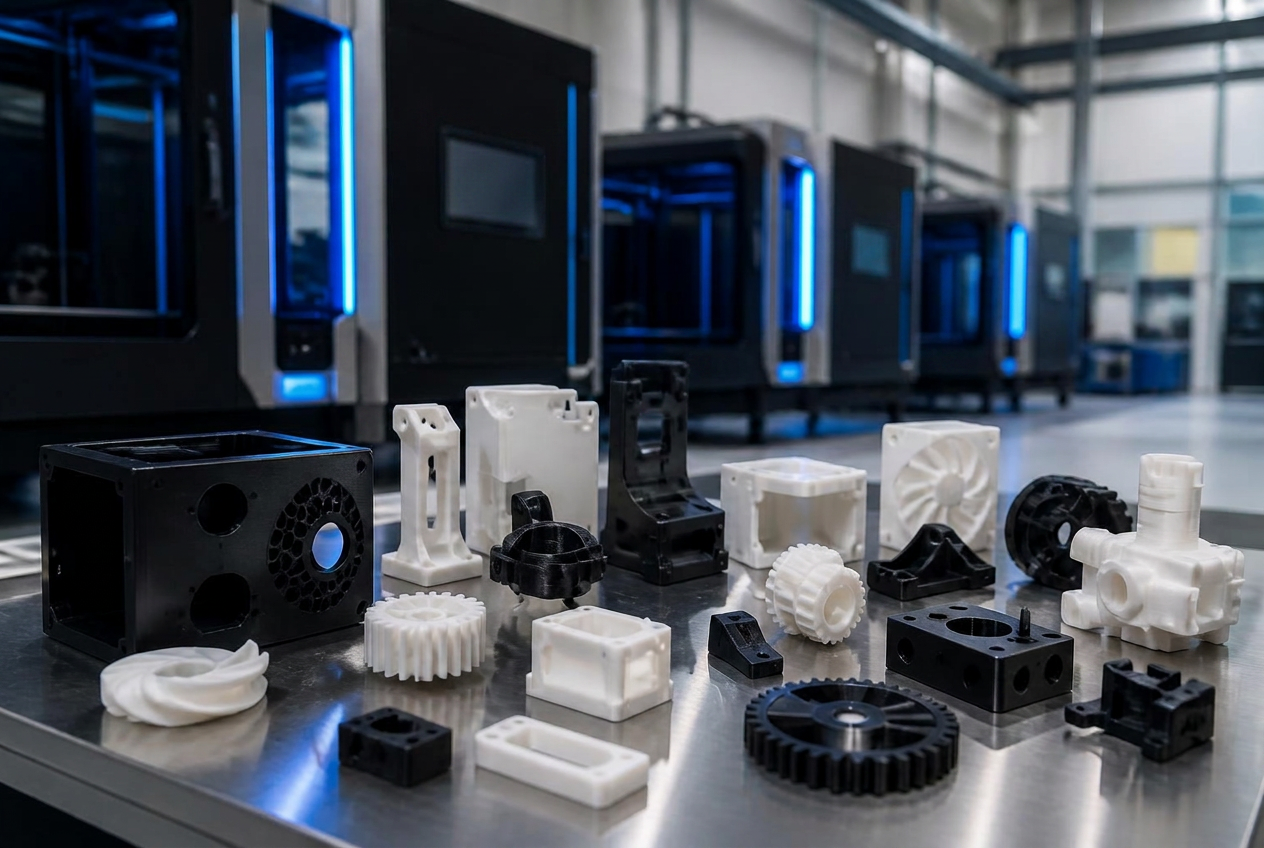
| FDM | PLA, ABS, ABS-M30i, ASA, PC, PC-ISO, Nylon 6, Nylon 12, Nylon 12 CF, ULTEM 9085, ULTEM 1010 | 914 × 609 × 914mm | 1.0mm | ±0.15mm/100mm |
| SLA | ABS Resin Plastic, Transparent Resin, White Soft Resin, Temperature Resin | 1700 × 800 × 800mm | 0.2mm | ±0.1mm/100mm |
| SLS | Nylon PA2200, Glass-Filled Nylon PA3200, Alumide, Flexible PEBA 2301 | 675 × 545 × 366mm | 0.3mm | ±0.1mm/100mm |
| MJF | HP Nylon PA12, PA11, PA12GB | 380 × 284 × 380mm | 0.1–0.2mm | ±0.1mm/100mm |
| PolyJet | Basic Vero, VeroClear, RGD 450, Agilus30, MED610, Digital ABS Plus, Multicolour, Vero Clear/White (HD) | 490 × 390 × 200mm | 0.2–0.7mm | ±0.1mm/100mm |
That's 35 named plastic and resin materials in active use across the five processes above, a working slice of the wider 45+ material catalogue →, which also covers metal.
A few standouts by application:
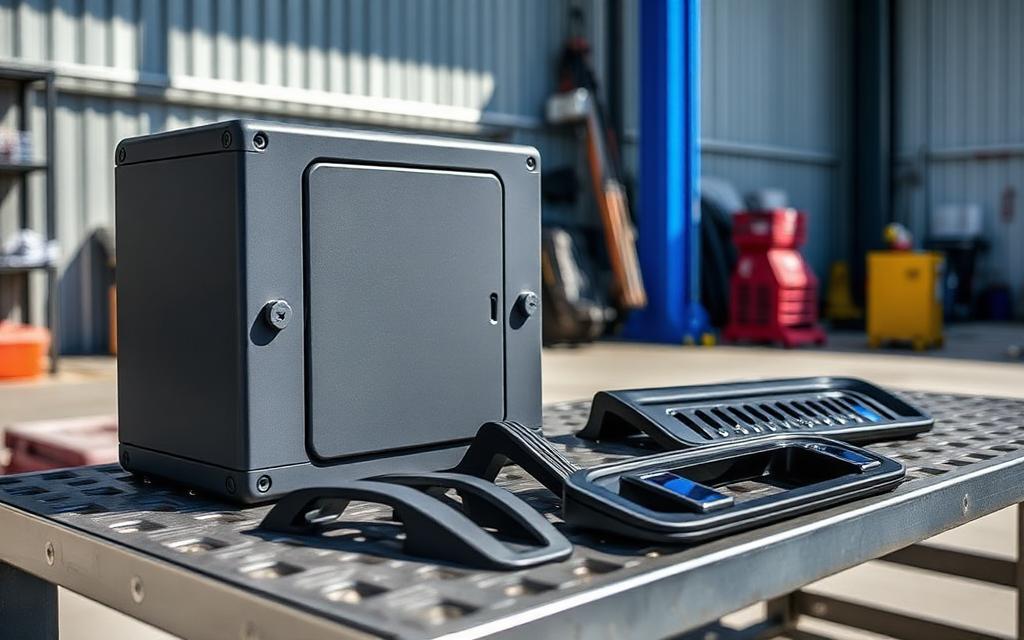
Outdoor or UV-exposed parts: ASA resists the yellowing and degradation standard ABS suffers in sunlight.
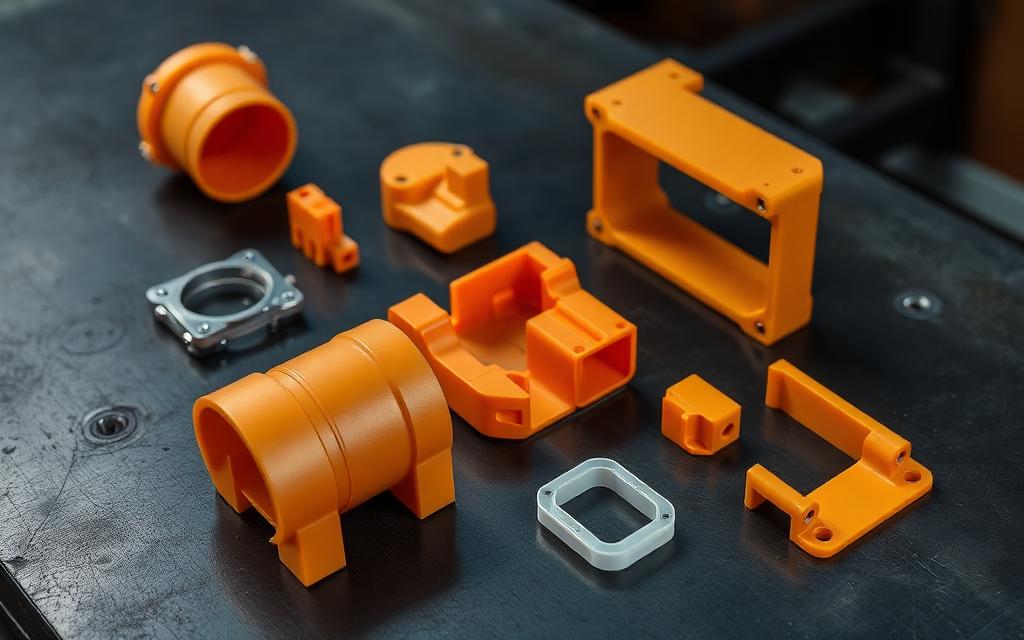
High-heat or flame-retardant applications: ULTEM 9085 (flame-retardant, FST-rated) and ULTEM 1010 (heat resistance to roughly 216°C) sit at the top of the plastic heat-resistance range.
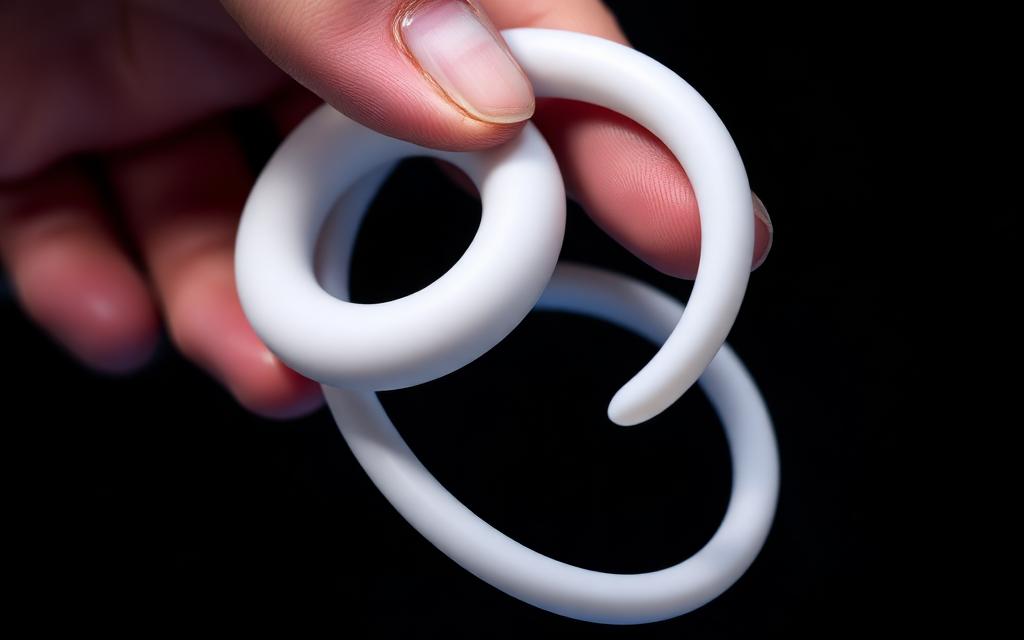
Flexible, rubber-like parts: White Soft Resin (SLA), Flexible PEBA 2301 (SLS) and Agilus30 (PolyJet) suit gaskets, seals and soft-touch grips.
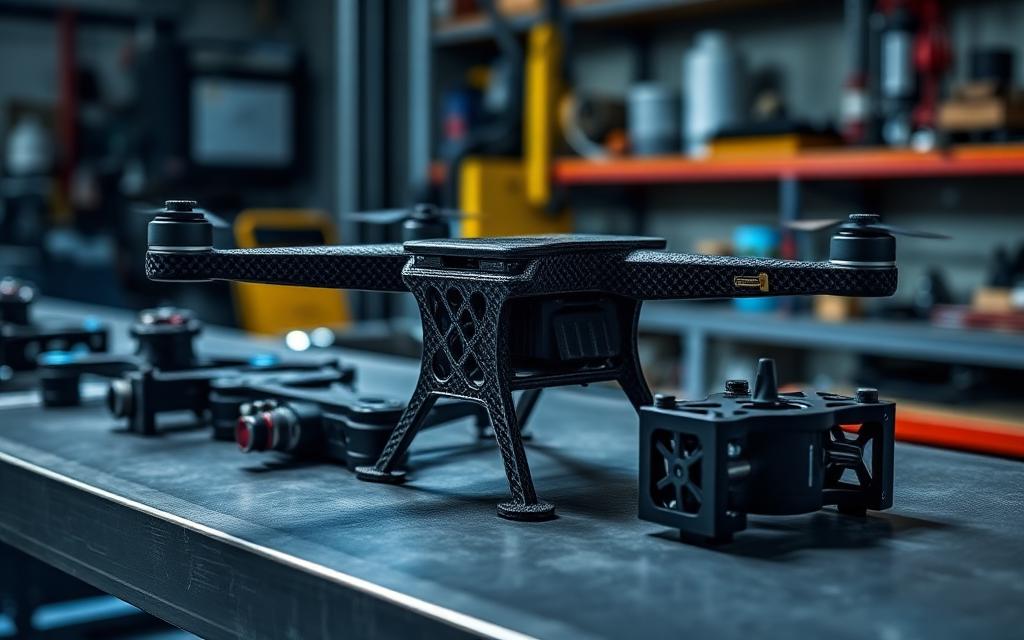
Stiffness-to-weight: Nylon 12 CF (carbon-filled FDM) and Glass-Filled Nylon PA3200 (SLS) add rigidity without the weight of metal.
Build Size, Tolerances and Batch Capacity
Part size range: from a 10 x 10mm detail feature through to a single 1700 x 800 x 800mm build (SLA), the largest single-piece capacity across any process we run, plastic or metal.
Tightest tolerance: ±0.1mm per 100mm on SLA, SLS, MJF and PolyJet; ±0.15mm per 100mm on FDM. Every part gets a dimensional check as part of the free design review before it prints.
Batch capacity: a single prototype and a multi-hundred-unit production run go through the same quoting process. No minimum order quantity, no setup fee, and per-unit cost drops as quantity increases.
File formats accepted: STL, STEP, IGES and most common CAD formats; if yours isn't listed, ask when you upload.
Surface finish options: as-printed, sanded, painted, dyed or bead-blasted, depending on process and material.
Turnaround: FDM ships within 24 hours; SLA, SLS, MJF and PolyJet typically ship in 5–6 working days, depending on part complexity and volume.
Running a production batch rather than a one-off? Talk to Our Team → about volume pricing and repeat-order support, no lock-in contract required.
Custom Plastic 3D Printing and Plastic 3D Printed Parts, On Demand
Not every job is a prototype. Quantix 3D Printing regularly produces custom plastic 3D printing work that has nothing to do with product development: a single obsolete part pulled from a 20-year-old machine and reverse-engineered from a scan, a short run of jigs for a production line, replacement housings no longer sold by the original manufacturer, or a batch of identical brackets for a install across multiple sites. Whatever the brief, the same plastic 3D printing solution applies. Upload the file or the scan, get a process and material recommendation, and receive plastic 3D printed parts shipped to your door, anywhere in the country, with no obligation to order again.
Plastic 3D Printing Across Australian Industry
Industrial applications of plastic 3D printing go well beyond one-off prototypes: industrial plastic 3D printing covers functional prototypes, jigs and fixtures, low-volume production tooling, enclosures and housings, custom plastic 3D printed parts for legacy equipment, and presentation or display models, each suited to a different process and material. The right one shows up differently depending on what you're building:
Manufacturing & Engineering: jigs, fixtures, tooling aids and functional prototypes built in engineering grade plastic 3D printing materials that would otherwise wait weeks for a machined equivalent.
Automotive & Motorsport: under-bonnet brackets in UV resistant plastic (ASA) or flame retardant plastic 3D printing materials (ULTEM) for heat and UV resistance, lightweight interior trim prototypes, low-volume performance parts.
Aerospace & Defence: flame retardant plastic 3D printing components (ULTEM 9085, FST-rated) and complex SLS geometries that reduce part count versus a machined assembly.
Mining & Resources: replacement housings and fittings for legacy equipment, produced faster than sourcing an obsolete part through a traditional supplier.
Robotics & Electronics: precision enclosures, brackets and functional prototypes where MJF's part-to-part consistency matters across a production run.
Architecture & Design: SLA and PolyJet models where surface finish and colour accuracy carry the presentation.
Education & Research: teaching models and research prototypes across a wide range of budgets, from quick FDM concepts to detail-critical SLA builds.
Transport & Logistics: custom fixtures, part trays and equipment housings produced to exact internal specifications.
Whatever the sector, the same plastic 3D printing solution, free quote, free design review, no minimum order, applies across every industry a plastic 3D printing manufacturer Australia business turns to us for.
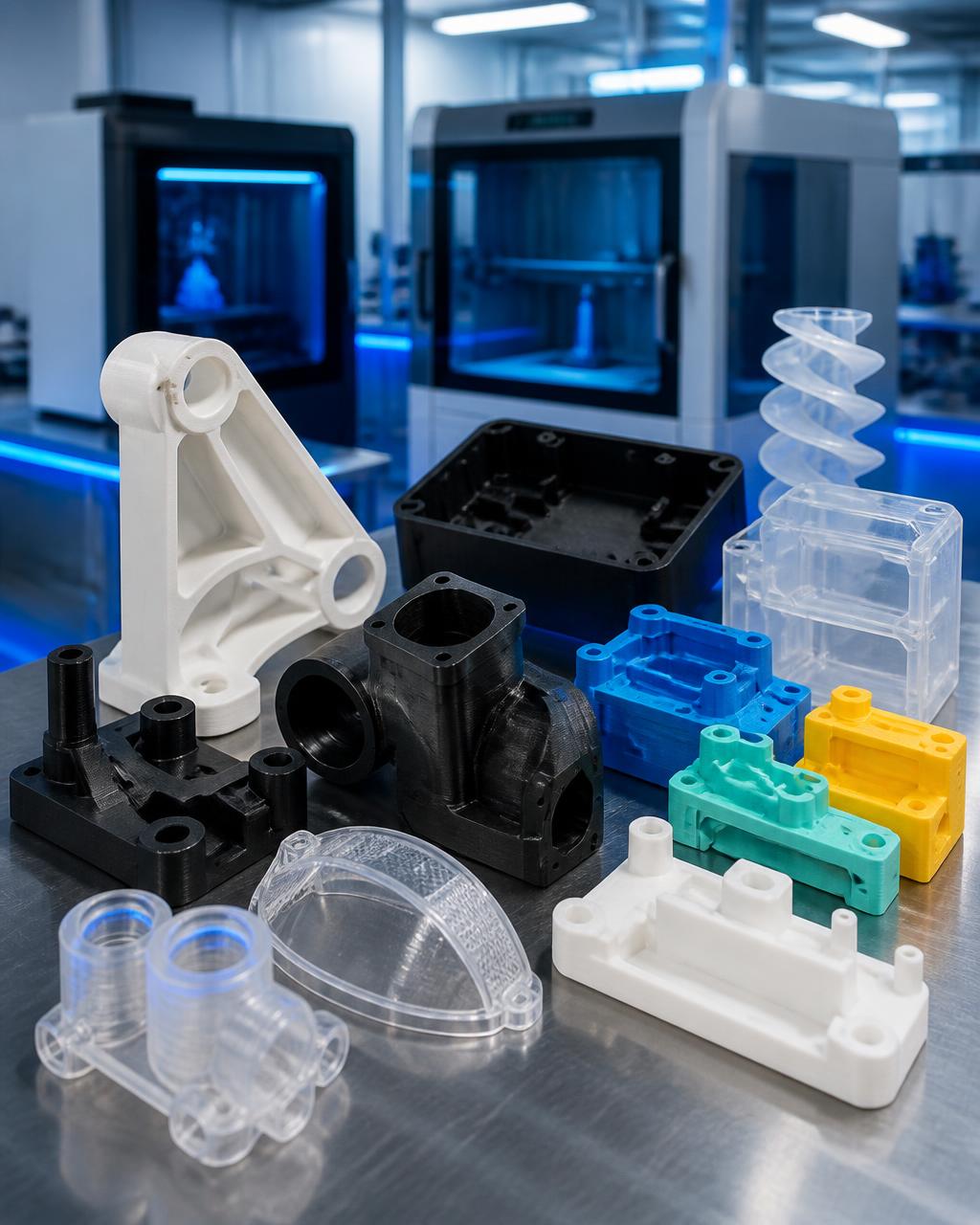
Plastic 3D Printing Cost in Australia: What Actually Moves the Number
There's no flat rate, but the cost ladder is predictable once you know what's on it. FDM sits at the bottom: cheap filament, fast machine time, minimal post-processing. SLA and PolyJet sit above it, driven by resin cost and cure time rather than raw material volume. SLS and MJF sit higher again, reflecting the powder cost and machine time nylon printing demands, particularly at production volume. From there, four things move the number regardless of process: part size and material volume, geometry complexity (thin walls, overhangs, support-heavy designs add print time), any finishing beyond as-printed (sanding, painting, dyeing), and order quantity, where per-unit cost drops the more you order despite there being no minimum to unlock that.
Upload a file for the actual figure, a published price list can't account for any of the above.
How a Plastic 3D Printing Quote Actually Works
- 1
Send your CAD file
and get pricing back the same way, whether it's one part or two hundred.
- 2
We check the geometry
wall thickness, orientation and process fit reviewed by an engineer before anything prints, at no charge.
- 3
Your part prints and ships
in the process and material confirmed at quote stage, anywhere in Australia.
Plastic quote request
Request a Free Plastic 3D Printing Quote
Tell us the process and material you're considering and we'll come back with a free quote, a free material recommendation, and free design-for-manufacture feedback. No minimum order quantity, no lock-in contract, strictly confidential.
- 35+ plastic and resin materials across five processes
- Not sure which process? Choose “Recommend a process” and we'll advise
- FDM ships in 24 hours; SLA, SLS, MJF and PolyJet in 5–6 working days
- Shipped anywhere in Australia
Plastic 3D Printing Service: Frequently Asked Questions
What plastic 3D printing processes does Quantix 3D Printing offer?
Five: FDM, SLA, SLS, MJF and PolyJet, across 35+ plastic and resin materials. Each job is matched to a process based on what the part needs to do, not what happens to be free on the shop floor.
Which plastic 3D printing process should I use?
It depends on the job. FDM is fastest and cheapest, best for early iteration and functional test parts. SLA gives the smoothest finish and the largest single-build capacity we offer. SLS and MJF produce genuinely functional, durable parts, with MJF holding the tightest part-to-part consistency for production runs. PolyJet covers multi-colour and multi-material visual models. Send a file through for a free recommendation if you're unsure.
What's the difference between FDM, SLA and SLS?
FDM extrudes melted filament layer by layer, fast and affordable. SLA cures liquid resin with a UV laser, the smoothest finish of any process we run. SLS fuses nylon powder without needing support structures, which suits complex geometry and functional end-use parts.
Can plastic 3D printed parts handle real functional use, or are they just for show?
Both, depending on the process. SLS and MJF nylon parts are genuinely load-bearing and see use as jigs, fixtures and end-use components. FDM in engineering plastics like polycarbonate or ULTEM also holds up under real mechanical and thermal load. SLA and PolyJet lean toward visual and fit-check applications rather than heavy mechanical duty.
What's the largest plastic part you can print in one piece?
Up to 1700 x 800 x 800mm on SLA, our largest single-build capacity across any process, plastic or metal.
What's the smallest or most detailed plastic part you can print?
Down to a 10 x 10mm feature, with MJF and SLA holding detail as fine as 0.1–0.2mm.
Do you offer UV-resistant or outdoor-rated plastic materials?
Yes. ASA is purpose-built for outdoor and UV-exposed parts, resisting the yellowing and brittleness standard ABS develops in sunlight over time.
Can you print flame-retardant or high-temperature plastic parts?
Yes. ULTEM 9085 is flame-retardant and FST-rated; ULTEM 1010 holds up to roughly 216°C, the highest heat resistance among the plastics we offer.
How much does plastic 3D printing cost in Australia?
It depends on process, material, size, geometry, finishing and quantity: FDM is generally the most affordable, SLS and MJF the most expensive at volume. See the cost section above for what actually drives the number, or upload a file for an exact price.
How fast is turnaround?
FDM ships within 24 hours. SLA, SLS, MJF and PolyJet typically ship in 5–6 working days, depending on part complexity and order size.
Is there a minimum order for plastic 3D printing?
No. A single prototype and a multi-hundred-unit production batch go through the same process, with no setup fee and no lock-in contract.
Can you handle production volumes, not just prototypes?
Yes. MJF in particular is built for production-run consistency, and per-unit cost drops as quantity increases with no minimum required to get there.
Is there a plastic 3D printing service near me?
Quantix 3D Printing operates online, Australia-wide, rather than out of a single local shopfront. So instead of searching for a plastic 3D printing service near me, upload your file and have parts shipped anywhere in the country.
Do you keep my files and designs confidential?
Yes. Everything shared with us is treated as strictly confidential.
How do I get a quote?
Upload your CAD file through the online form, no account or phone call needed. Our team follows up directly if anything about the design or process choice needs flagging.
Get Your Plastic 3D Printing Quote Today
Five processes, 35+ materials, and an engineer checking the fit before anything prints: that's what a plastic 3D printing service Australia businesses can actually rely on looks like. Upload your file, see your price, and get parts shipped anywhere in the country, no minimum order, nothing locked in.