Material jetting · Multi-material · 16-micron layers

PolyJet 3D Printing Australia

Rigid, clear, coloured and rubber-like, all in the same build. PolyJet 3D printing jets liquid photopolymer in 16-micron layers and cures it instantly, so a prototype comes off the machine already looking and feeling like the finished product. No layer lines, no painting, no assembly of separate parts. Send a CAD file, get a price back the same day.

9 photopolymer gradesMulti-colour and multi-durometer in one buildFree design reviewConfidentialShipped Australia-wide
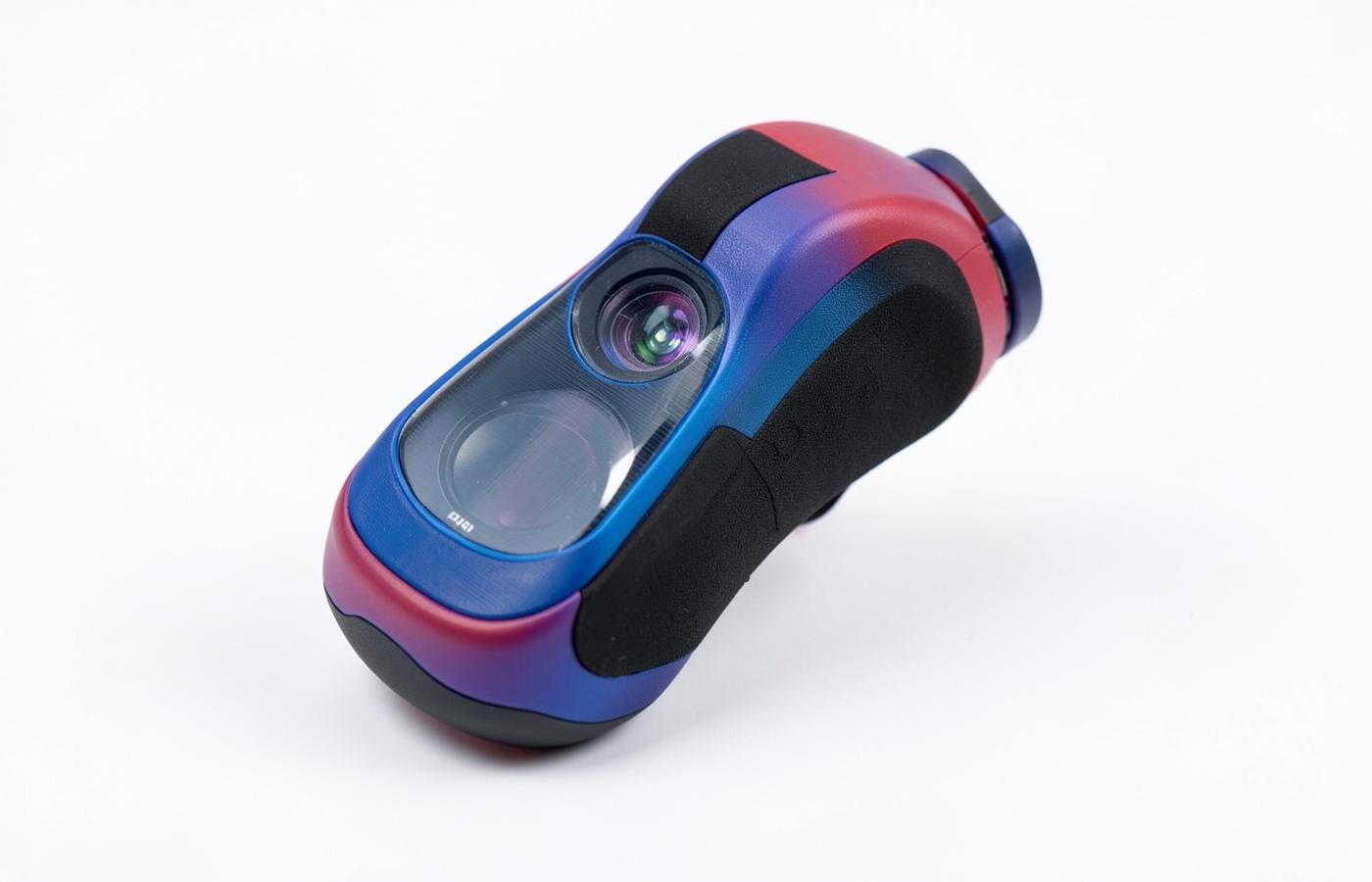
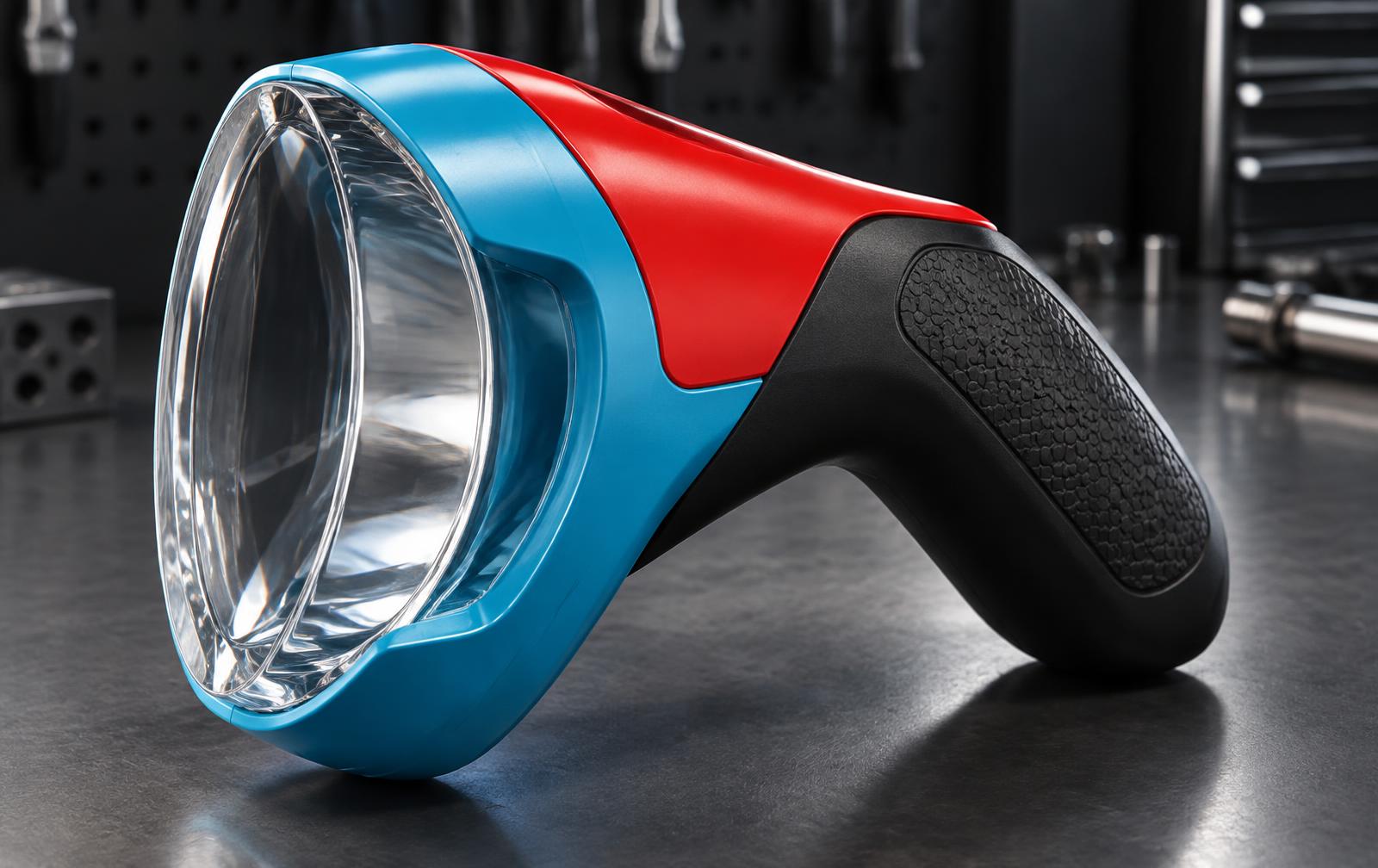
PolyJet prototype combining a clear lens, coloured rigid housing and black rubber-like grip in one part

PolyJet 3D Printing Australia: At a Glance

01 · Process

Photopolymer droplets jetted from multiple print heads, UV-cured pass by pass

02 · Max build envelope

490 × 390 × 200mm standard grades; 250 × 250 × 200mm high-detail grades

03 · Tolerance

±0.1mm per 100mm

04 · Layer thickness

16–30µm typical

05 · Finest detail

0.2mm on high-detail grades; 0.7mm on standard grades

06 · Materials

9 photopolymer grades, rigid through to Shore 30A rubber-like

07 · Multi-material

Colours, clarity and hardness combined in a single build

08 · Surface finish (as-built)

Ultra-smooth, no visible layer lines

09 · Support structures

Soluble gel, washed off rather than cut away

10 · Heat resistance

45–54°C standard grades; ~70°C high-detail grades

11 · Not suited to

Structural load, sustained heat, long-term UV exposure

12 · Typical turnaround

5–6 working days

13 · Australia-wide

Quoted online, shipped to every state and territory

What Is PolyJet 3D Printing?

PolyJet is a material jetting process: an array of print heads sprays microscopic droplets of liquid photopolymer across the build tray, much the way an inkjet head lays down ink, and a UV lamp follows immediately behind to cure each layer solid before the next one lands. Because the heads can jet several different resins simultaneously, a single build can combine rigid and rubber-like sections, transparent and opaque regions, and multiple colours within one continuous part. Layers are roughly 16 microns thick, fine enough that finished parts show no visible stepping at all, and overhangs are carried by a soluble support gel that washes away afterwards rather than being cut off by hand.

Nine photopolymer grades, one build tray. Quantix 3D Printing runs the widest named PolyJet 3D printing service range in Australia. Quoted online, shipped to every state and territory. Material jetting 3D printing Australia and PolyJet are the same technology under two names, and both answer what multi material 3D printing Australia product teams keep asking for: a soft grip, a clear lens and a coloured housing as one part, not three glued together.

Knowing where PolyJet stops matters just as much. Appearance, fit and feel: yes. Structural load, or heat past about 50°C: no. If you need either, we'll point you to nylon or metal instead.

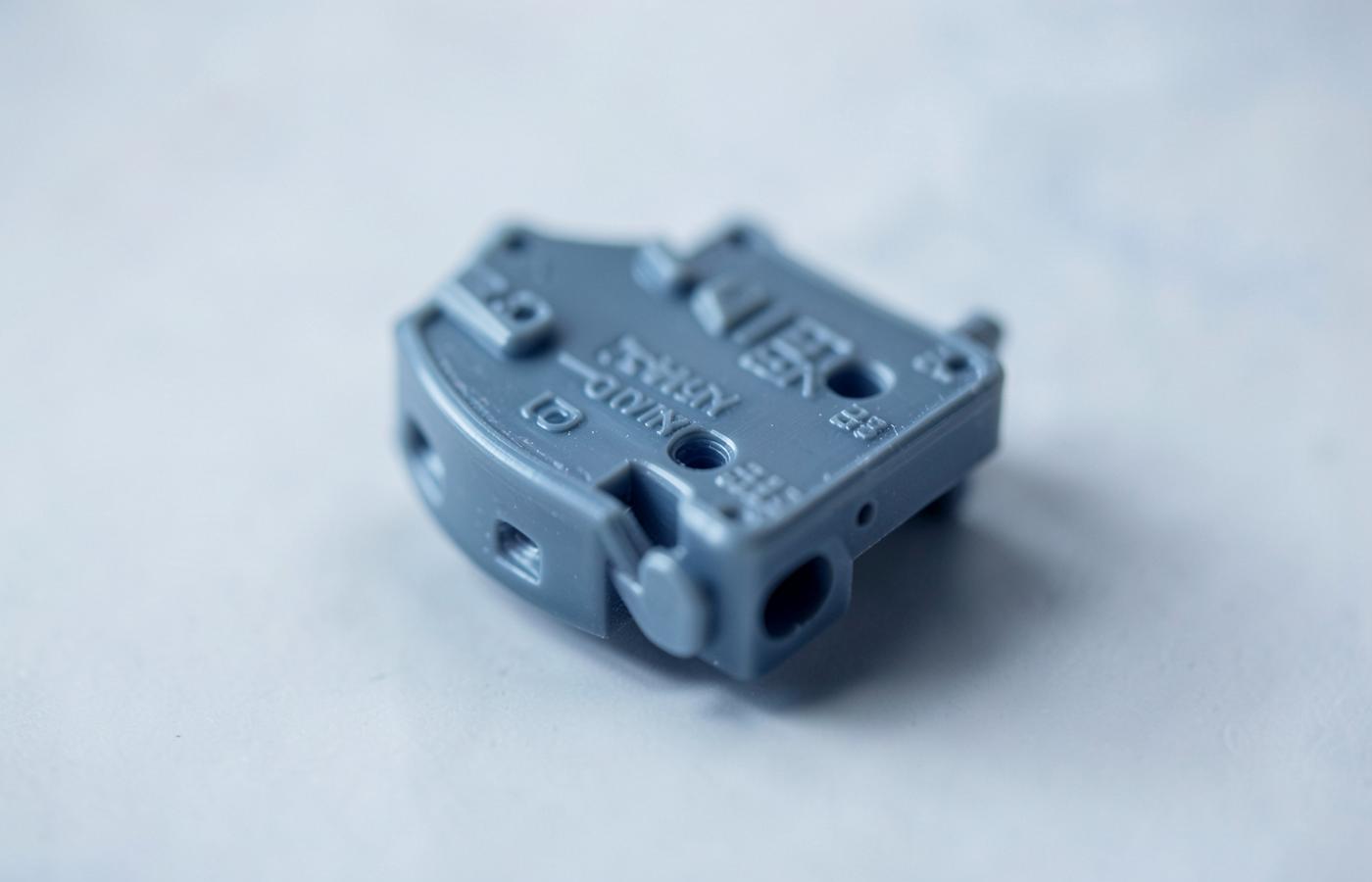
Macro view of a smooth PolyJet printed part with fine embossed detail and no visible layer linesPolyJet prototype combining rigid coloured housing, clear lens and soft-touch rubber grip in one printed part

What You Get Working With Us

Every PolyJet 3D printing Australia supplier we reviewed sells the finish and stays quiet about the ceiling. Here is the complete picture instead:

Nine photopolymer grades, not one.

Rigid opaque, clear, polypropylene-like, tear-resistant flexible, biocompatible-grade, high-temperature tough, full multi-colour and two high-detail Vero grades. The broadest named PolyJet range we found anywhere in Australia; several competitors publish a single material.

Colour, clarity and flex combined inside one part.

A clear lens, a coloured bezel and a soft-touch seal built as one continuous piece, in one run, with no bonding line to explain to a client.

A durometer range of Shore 30A to 95A from a single flexible grade.

Agilus30 blends towards rigid resin at the voxel level, so a gasket, an overmoulded grip and a stiff hinge can each land at a different hardness in the same build.

Detail down to 0.2mm where the geometry needs it.

Our high-detail Vero grades hold fine features standard grades can't, at the cost of a smaller envelope. We'll tell you which mode your part justifies rather than defaulting to the expensive one.

An honest read on whether PolyJet is even right for your part.

If it needs to take load, resist solvents or run warm, we'll point you to MJF nylon or metal instead. A free design review isn't much use if it only ever says yes.

Straight answers on what your geometry will cost before you commit.

Support gel volume, how many materials a build carries and which print mode it runs in all move the number, and we'll explain which one is moving yours.

No minimum order.

One presentation model and a batch of two hundred go through the same quoting process, with nothing locked in afterwards.

Most PolyJet work ships within 5–6 working days

depending on size, material count and finish.

Same service to every postcode.

Identical materials, process and turnaround whether you're in Perth or regional Queensland.

Your files stay yours.

Confidential by default, standard purchase-order terms.

How Material Jetting Builds a Part

  1. 01

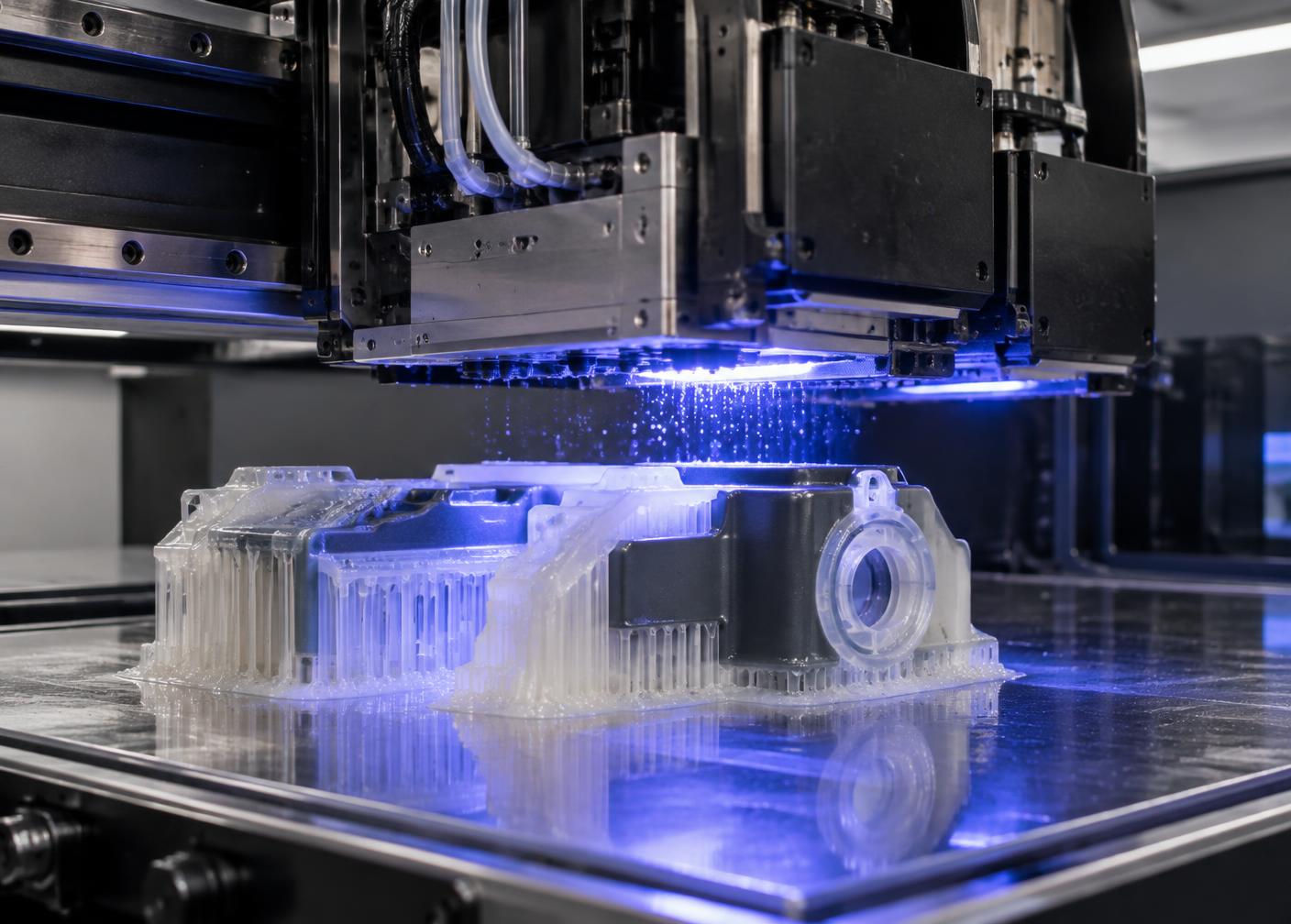
    The print heads sweep across the build tray, jetting droplets of liquid photopolymer exactly where the geometry needs them, and several different resins at once if the part calls for it.

  2. 02

    UV lamps mounted behind the heads cure each pass instantly, hardening the photopolymer the moment it lands rather than waiting for a separate curing stage.

  3. 03

    A support gel is jetted alongside the model material, filling every overhang, cavity and undercut so the geometry is fully encased as it builds.

  4. 04

    The tray steps down 16 microns and the sweep repeats, building the part in layers thin enough to leave no perceptible ridges on a curved or angled surface.

  5. 05

    The finished part is washed to dissolve the support gel away, then hand-checked. No supports to snip off, no witness marks to sand out, and no post-cure cycle before it ships.

PolyJet print heads jetting photopolymer while UV light cures the part

That last step is the practical difference between this and every other resin process. Because the support is washed off rather than cut away, a PolyJet part arrives with its as-built surface intact everywhere, including inside channels and under overhangs, where a laser-cured resin part would carry support scars. It is also why fine, delicate and enclosed geometry survives a PolyJet build that would be risky anywhere else.

PolyJet Specifications: Build Size, Resolution and Tolerance

Process
Liquid photopolymers jetted from multiple print heads and UV-cured pass by pass; soluble gel support carries every overhang
Max build envelope
490 × 390 × 200mm (standard grades); 250 × 250 × 200mm (high-detail Vero Clear and Vero White)
Tolerance
±0.1mm/100mm
Layer thickness
16–30µm (typical)
Finest detail
0.2mm on high-detail Vero grades; 0.7mm on standard grades
Min. wall thickness
1.0mm
Heat resistance
45–50°C on most grades; 49–54°C on Digital ABS Plus and Multicolour; ~70°C on the high-detail Vero grades
Surface finish (as-built)
Ultra-smooth on every grade, no visible layer stepping; matte to semi-gloss straight off the machine
Support structures
Soluble gel, washed off; no manual removal, no witness marks
Colour capability
Multi-colour within a single build; blended durometers from Shore 30A to 95A
Typical turnaround
5–6 working days
CAD formats accepted
STL, STEP, IGES (most other native formats convertible on request)

On the two build envelopes. Standard grades run the full 490 × 390 × 200mm tray and resolve detail to 0.7mm. The high-detail Vero grades trade roughly half that tray for detail down to 0.2mm and better heat tolerance. Most work sits comfortably in standard mode; send the geometry and we'll tell you honestly whether the finer mode earns its cost on your part.

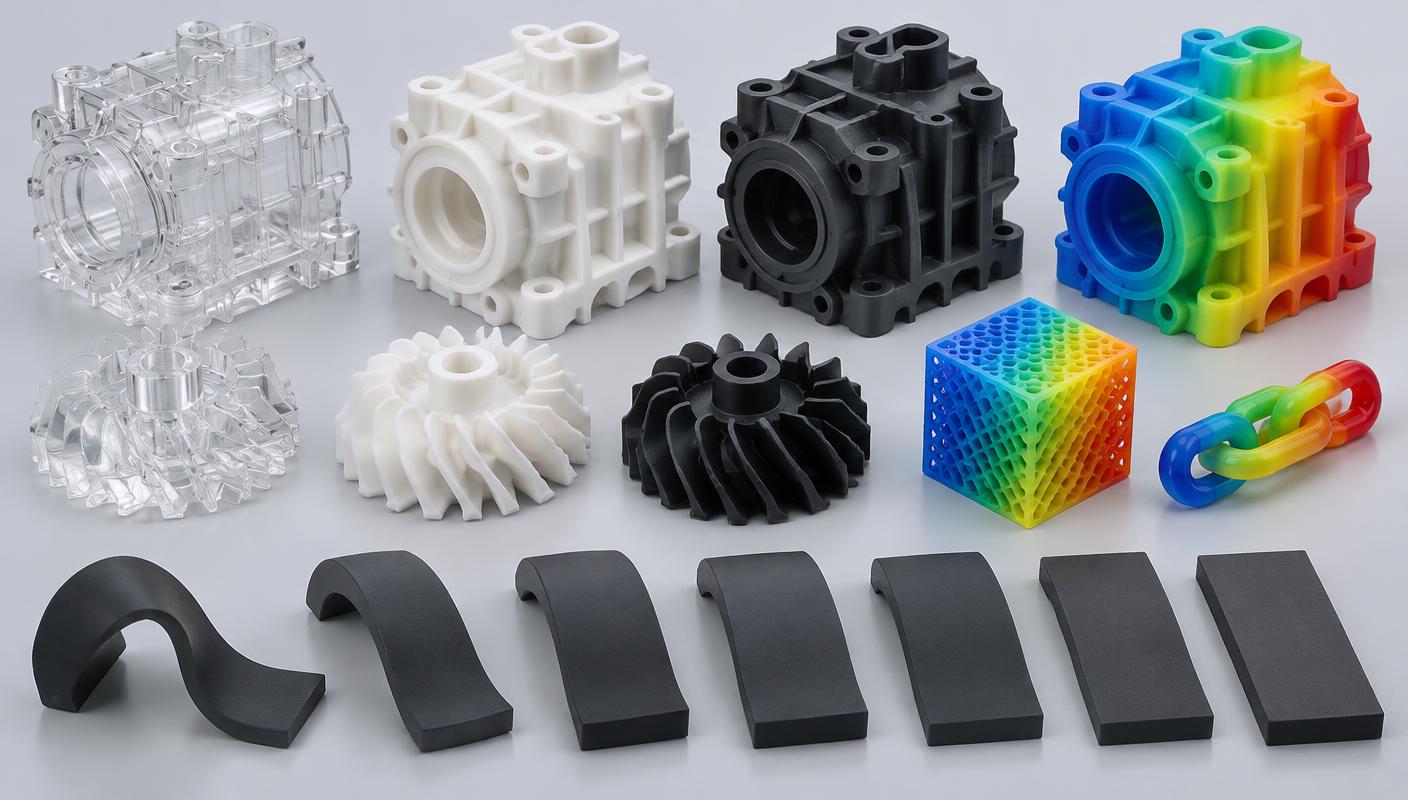
PolyJet clear, rigid, multicolour and rubber-like material samples

Nine PolyJet 3D Printing Materials to Choose From

Rigid, clear, flexible, tough or full-colour, and combinable within a single build. No other plastic process on our floor can do that.

MaterialWhat It's ForHeat ResistanceColoursFinest DetailMax Build Size
Basic VeroGeneral-purpose rigid parts, concept models, housings45–50°CBlack, white0.7mm490 × 390 × 200mm
VeroClearVeroClear transparent 3D printing Australia work: lenses, light guides, fluid-path and see-through assembly models45–50°CTransparent0.7mm490 × 390 × 200mm
RGD 450 (PP-like)Snap fits, living hinges and containers that need polypropylene's give rather than brittle rigidity46–50°CGrey, white0.7mm490 × 390 × 200mm
Agilus30Rubber like 3D printing Australia applications: gaskets, seals, soft-touch grips, overmoulds; tear-resistant, blends across Shore 30A–95A45–50°CBlack0.7mm490 × 390 × 200mm
MED610Biocompatible-grade rigid clear photopolymer for parts with skin-contact or fluid-contact requirements45–50°CClear0.7mm490 × 390 × 200mm
Digital ABS PlusDigital ABS 3D printing Australia work: the toughest grade we run, for snap fits, thin-wall housings and assemblies that get handled hard49–54°CWhite0.7mm490 × 390 × 200mm
MulticolourMulticolour 3D printed models Australia designers use for presentation and colour sign-off: several colours in one continuous build49–54°CMultiple0.7mm490 × 390 × 200mm
Vero Clear (High-Detail)Fine transparent detail and higher heat tolerance, in a smaller envelope~70°CTransparent0.2mm250 × 250 × 200mm
Vero White (High-Detail)Fine opaque detail and higher heat tolerance, in a smaller envelope~70°CWhite0.2mm250 × 250 × 200mm

Tolerance across every grade: ±0.1mm/100mm. Minimum wall thickness: 1.0mm.

What "digital material" actually means.

PolyJet doesn't just switch between resins. It blends them, droplet by droplet, while it builds. Mixing a flexible resin with a rigid one in varying ratios produces intermediate hardnesses that exist as neither base material on its own, so a single part can run soft at the seal, medium at the hinge and rigid at the mounting boss, with smooth transitions instead of glue joints. Blending pigmented resins does the same thing for colour. That capability is unique to material jetting, and it's why a PolyJet prototype can replicate an assembled, multi-component product as one piece.

Need engineering-grade strength, chemical resistance or real heat tolerance instead? See our full plastic materials range → covering FDM, SLA, SLS and MJF, or see all 45+ 3D printing materials → including metal.

PolyJet Against SLA

PolyJet vs SLA, briefly

PolyJetSLA
How it buildsPhotopolymer droplets jetted and UV-cured pass by passUV laser cures liquid resin in a vat
Multiple materials or colours in one buildYesNo, one resin per build
SupportsSoluble gel, washed awayPrinted structures, removed by hand
Finest detail0.2mm (high-detail grades)0.2mm
Largest single build490 × 390 × 200mmUp to 1700 × 800 × 800mm
Best suited toColour, multi-durometer and fine-detail realismLarge single-piece builds and smooth rigid parts at lower cost

Both produce ultra-smooth resin parts, so the choice comes down to two questions: whether the part needs more than one material or colour, and how big it is. Multi-material or multi-colour points to PolyJet. Anything beyond the 490mm tray points to SLA. If your part could reasonably go either way, compare all five plastic processes on our plastic 3D printing service →, or send the file and we'll give you a straight recommendation before quoting anything.

Is PolyJet the Same as MJP?

Effectively yes, under different badges. PolyJet and MJP (also written MJM, for MultiJet Modeling) are both material jetting: liquid photopolymer jetted from an inkjet-style head and cured layer by layer. PolyJet is the Stratasys trade name, MJP the 3D Systems one. The practical differences are in support material and material range: MJP systems typically use a wax support melted away afterwards, while PolyJet uses a soluble gel and offers the wider spread of colours, durometers and blended digital materials.

Quantix 3D Printing runs both. Alongside the nine PolyJet grades above, our material jetting line covers UV-cured, frosted and transparent acrylics and a castable wax for investment-casting patterns, in envelopes up to 284 × 184 × 203mm with detail to 0.1mm. If you've been quoted on MJP or MJM elsewhere and want a like-for-like comparison, send the same file across.

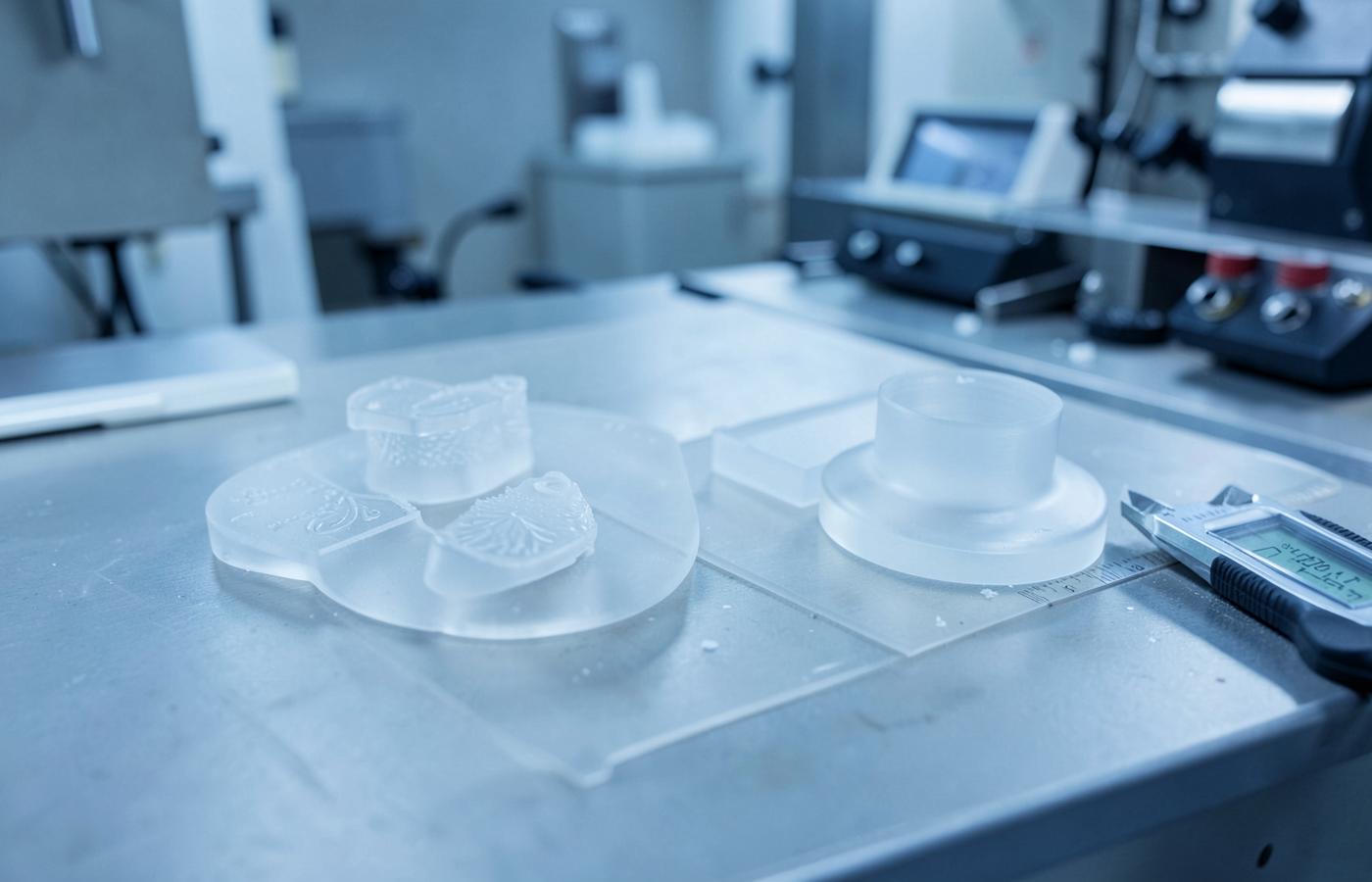
Material jetting printed frosted acrylic and castable wax pattern parts beside digital calipers on a workbench
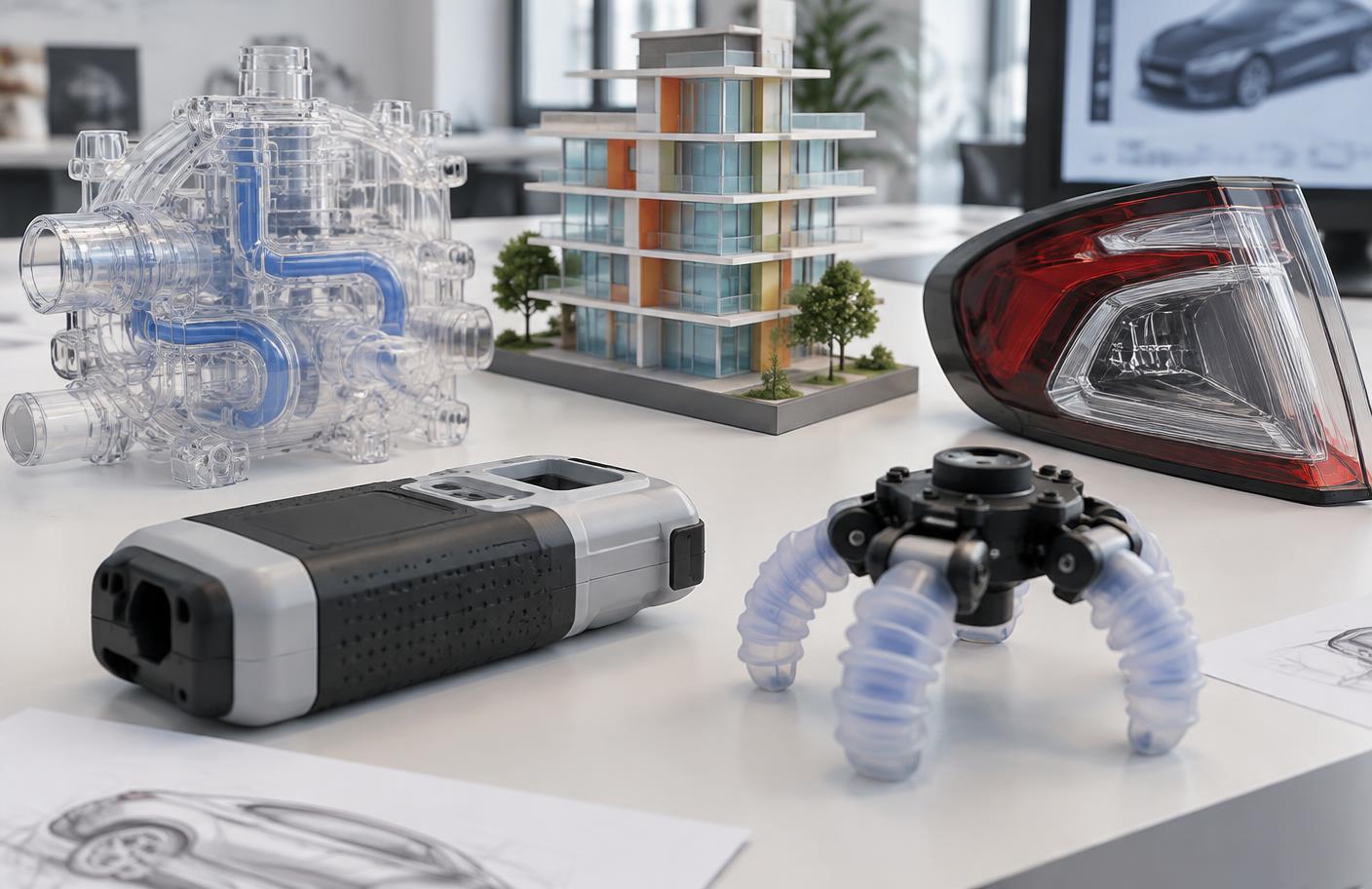
PolyJet transparent, multicolour, automotive, architectural and soft-touch prototypes

Industries and Applications

PolyJet printed parts suit work where a prototype has to convince someone (a client, a review panel, a test user) that it is the finished product:

  • Manufacturing & Engineering: design verification models, assembly fit checks with transparent housings that show the internals, and soft-touch interface mock-ups ahead of tooling commitment.
  • Automotive & Motorsport: lens and lighting prototypes in VeroClear, interior trim in production colours, and rubber-like seals, grommets and grip surfaces tested for feel before a mould is cut.
  • Aerospace & Defence: form-and-fit models, cockpit and interface mock-ups in accurate colours, and flow-visualisation parts where transparency shows what's happening inside.
  • Robotics & Electronics: soft grippers and compliant end-effectors in Agilus30, overmoulded housing prototypes, connector and enclosure models where 0.2mm detail decides whether a fit is right.
  • Architecture & Design: multicolour 3D printed models Australia studios present to clients and planning panels, with materials, glazing and landscaping differentiated in a single build rather than painted afterwards.
  • Education & Research: teaching models and research prototypes where colour coding, transparency or variable stiffness carry the explanation.
  • Transport & Logistics: handling fixtures with soft contact faces, and equipment mock-ups where appearance and ergonomics get signed off before fabrication.

Not sure PolyJet is the right process for what you're building? Send the file and we'll tell you which of our seven processes fits, free, and without steering you towards the expensive one.

Why PolyJet 3D Printing Cost Australia Quotes Vary So Much

No supplier in this market publishes a PolyJet rate card, and there's a reason: two parts of identical volume can differ substantially in price. Four things account for most of it.

  • Support gel volume, not just part volume. PolyJet encases geometry in soluble support as it builds, and that gel is consumed by volume and paid for like any other material. A hollow, cavity-heavy or widely spread part can burn more support than model resin, which is why nesting several small parts into one tray is usually cheaper per part than running them separately.
  • How many materials the build carries. A single-resin build is the cheapest way to run this process. Each additional colour or durometer adds head-purging and changeover time before printing even begins.
  • Print mode. Standard mode on the full tray costs less per part than high-detail mode, which halves the usable envelope and slows the build. Detail down to 0.2mm is worth paying for on some geometry and wasted on most.
  • Finish and quantity. Parts ship as-built by default; painting or clear-coating adds time. Per-unit cost falls as quantity rises, with no minimum needed to unlock it.

Send your geometry for an online PolyJet 3D printing quote and you'll get a number for your actual part, plus a note on which of the four above is driving it.

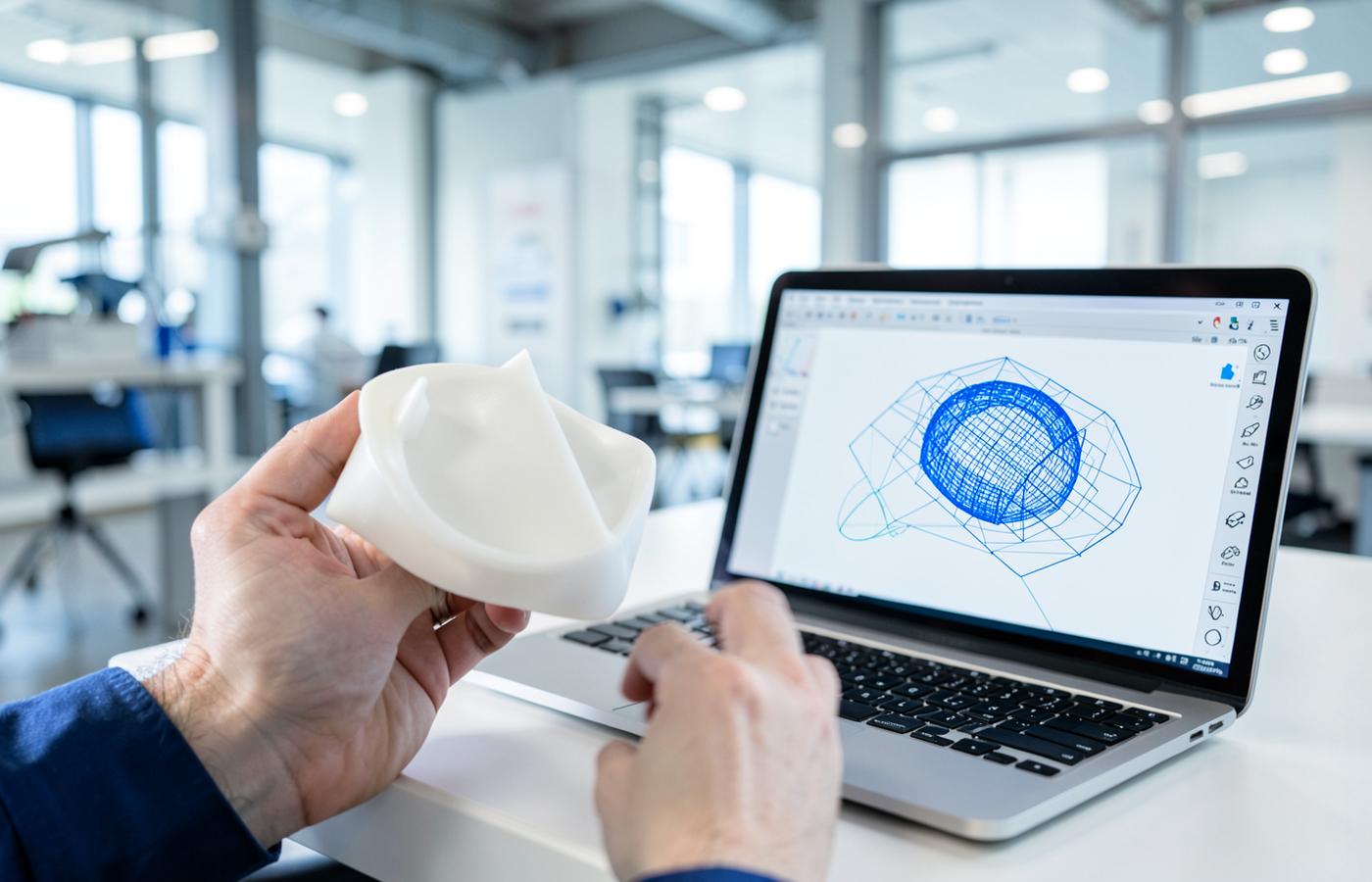
From CAD to Delivered Part, in Three Steps

  1. 01

    Send the file.

    STL, STEP or IGES, with a note on any colours, hardness or clarity you need. No account required.

  2. 02

    We review it properly.

    An engineer checks wall thickness, material fit and whether PolyJet is genuinely the right process. If it isn't, you'll hear that before anything prints.

  3. 03

    Printed, washed and shipped.

    Support dissolved, part checked, delivered anywhere in the country.

Engineer holding a white PolyJet printed part next to a laptop showing the matching CAD model

Get a Free PolyJet Quote

Upload your CAD file through the online form, noting any colour, transparency or hardness requirements. Our team follows up directly if there's anything about the design worth flagging first.

  • Nine PolyJet photopolymer grades
  • Multi-colour and multi-durometer in one build
  • Free design review
  • Most jobs ship in 5–6 working days

PolyJet 3D Printing: Frequently Asked Questions

What is PolyJet 3D printing?

PolyJet is a material jetting process in which print heads spray droplets of liquid photopolymer onto a build tray while UV lamps cure each pass solid immediately. Because several resins can be jetted at once, one build can contain rigid, flexible, transparent and multi-coloured sections in a single continuous part, at layers around 16 microns thick.

Is PolyJet the same as MJP or material jetting?

Material jetting is the process family; PolyJet (Stratasys) and MJP or MJM (3D Systems) are trade names for it. The main practical differences are support material and material range. PolyJet uses a soluble gel where MJP typically uses a meltable wax, and PolyJet offers wider colour, durometer and blended-material options. Quantix 3D Printing runs both.

Is PolyJet strong enough for functional parts?

It depends on what "functional" means for your part. PolyJet handles fit testing, assembly checks, snap fits, living hinges, seals and soft-touch ergonomics well, and Digital ABS Plus is tough enough for parts that get handled hard. It is not the right choice for structural load, sustained temperatures above roughly 50°C, or long-term outdoor exposure, because photopolymers soften with heat and degrade under UV over time. For those, MJF or SLS nylon, or metal, is the better answer, and we'll tell you so at quote stage rather than after delivery.

Can you print more than one colour or material in a single part?

Yes, and it's the main reason to choose this process. Multiple colours, transparent and opaque regions, and rigid and rubber-like sections can all be combined in one continuous build with no assembly. Hardness can also be blended anywhere between Shore 30A and 95A within the same part.

How accurate is PolyJet?

Tolerance is ±0.1mm per 100mm across every grade we run. Finest resolvable detail is 0.7mm on standard grades and 0.2mm on the high-detail Vero grades, with a minimum wall thickness of 1.0mm.

What's the largest part you can PolyJet print?

490 × 390 × 200mm in standard grades. The high-detail Vero Clear and Vero White grades run in a smaller 250 × 250 × 200mm envelope. Larger geometry can be split and bonded, or built in one piece on SLA at up to 1700 × 800 × 800mm. Send the file and we'll recommend the better route.

What materials can you PolyJet print?

Nine grades: Basic Vero, VeroClear, RGD 450 (polypropylene-like), Agilus30 (tear-resistant flexible), MED610 (biocompatible-grade), Digital ABS Plus, Multicolour, and high-detail Vero Clear and Vero White.

Do PolyJet parts need supports removed by hand?

No. Support material is a soluble gel that is washed off after printing, so parts keep their as-built surface everywhere, including inside cavities and under overhangs, where laser-cured resin parts carry support marks.

How much does PolyJet 3D printing cost?

It varies with part size, support gel volume, how many materials or colours the build carries, print mode and finish. Multi-material and high-detail builds cost more than single-resin standard-mode ones. Send the geometry for an exact figure.

How long does a PolyJet job take?

Most ship in 5–6 working days. Builds carrying several materials or running in high-detail mode can take longer, and we confirm timing when quoting.

Is there a PolyJet 3D printing service near me?

Quantix 3D Printing runs as an online service covering the whole country rather than a counter in one suburb, so instead of searching PolyJet 3D printing near me, upload your file and we'll deliver the finished part wherever you are.

Is there a minimum order?

No. A single model and a production batch are quoted the same way, with no lock-in.

Are our files and designs kept private?

Yes. Everything you send is treated as confidential.

How do I get a PolyJet quote?

Upload your CAD file through the online form, noting any colour, transparency or hardness requirements. Our team follows up directly if there's anything about the design worth flagging first.
Send Us the Part Nobody Else Can Print in One Piece

Clear, coloured, rigid and rubber-like in a single build, at 16-micron layers, across nine photopolymer grades: Quantix 3D Printing is the PolyJet 3D printing company Australia product teams use when a prototype has to pass as the real thing. Whether it's one presentation model or a run of custom PolyJet 3D printing Australia parts, upload the file for a free quote and an honest read on whether this is the right process for it. Nothing locked in, shipped nationwide.