
SLA 3D Printing Australia
The smoothest finish in 3D printing, without giving up scale. SLA 3D printing turns a CAD file into an ultra-smooth, high-detail resin part, in a single build up to 1700 x 800 x 800mm, bigger than any other Australian SLA provider we could find. Upload your file, get a price back the same day, and skip the tooling and the minimum order altogether.
Technical Capabilities
SLA 3D Printing Australia: At a Glance
Process
SLA
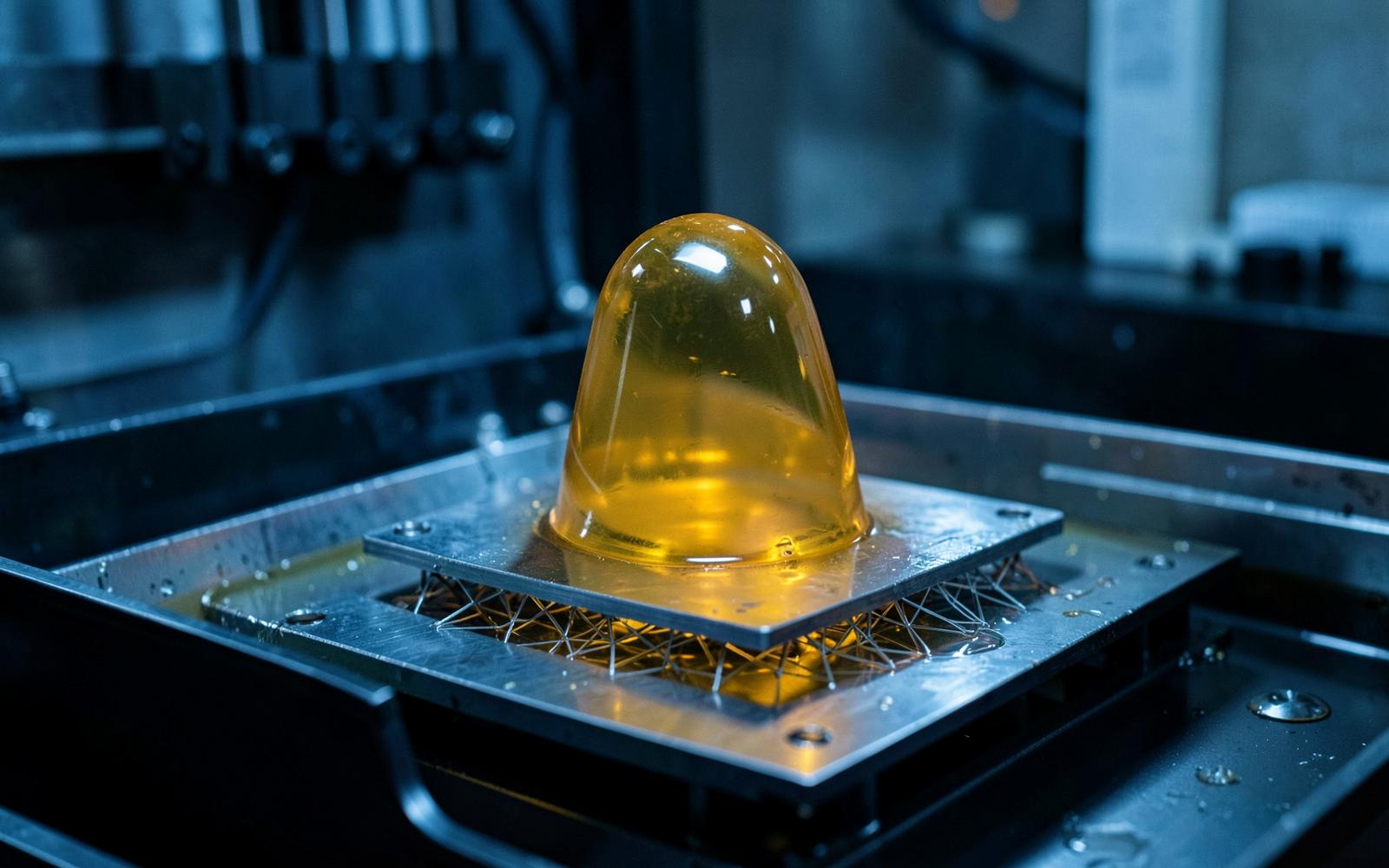
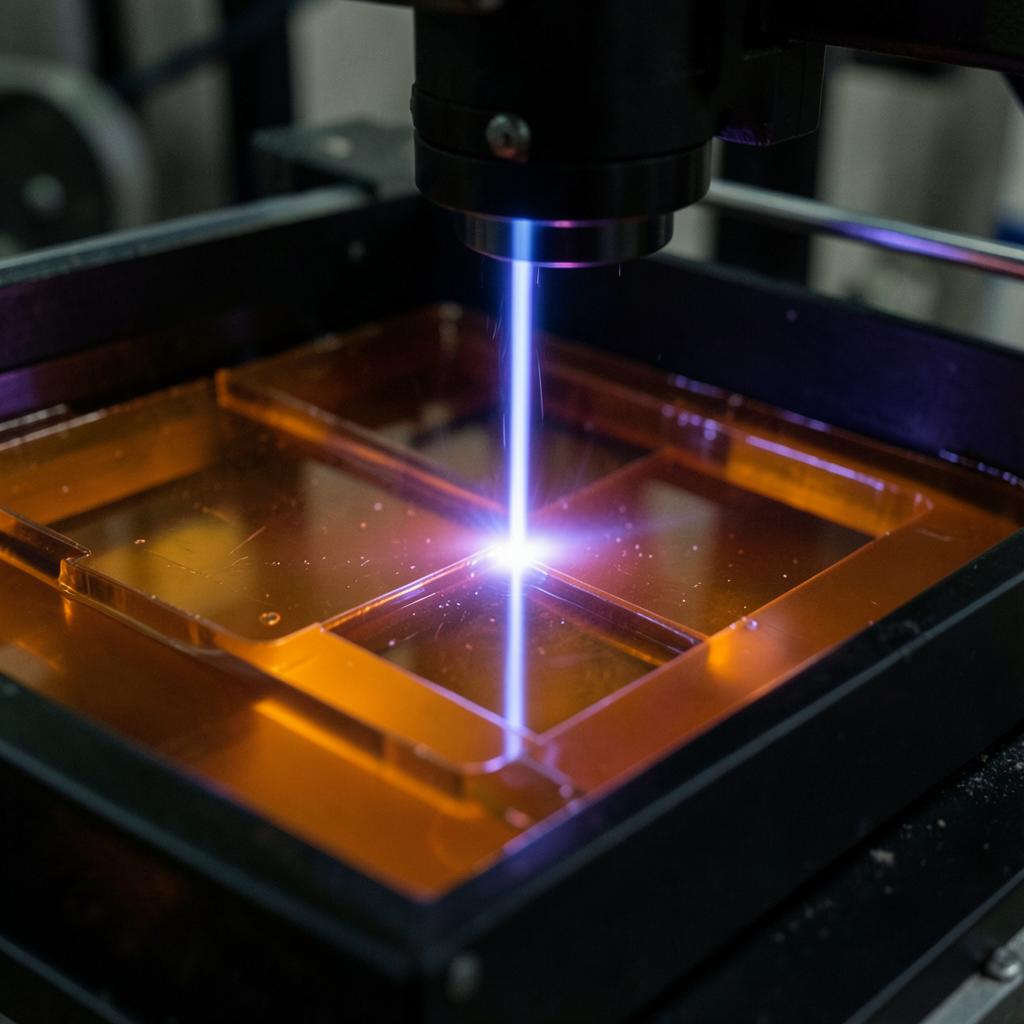
UV laser cures liquid photopolymer resin, layer by layer, inside a resin vat
Max build envelope
1700 × 800 × 800mm
ABS Resin Plastic; up to 600 × 600 × 402mm on specialty grades
Tolerance
±0.1mm
per 100mm
Layer thickness
25–100µm
typical
Finest detail
0.2mm
sharp edges and fine text
Surface finish (as-built)
Ultra-smooth
near-injection-moulded, sandable, paintable or dyeable
Support structures
Planned & removed
required for overhangs, finished as standard
Typical turnaround
5–6 days
working days
Quantix 3D Printing delivers the stereolithography Australia relies on, running SLA 3D printing service jobs in single-piece builds up to 1700 x 800 x 800mm, the largest verified SLA build capacity of any Australian provider reviewed in our own competitor research, quoted online and shipped Australia-wide. It's the same service whether you search by process name or material: it's the resin 3D printing Australia teams turn to when photopolymer, not powder or filament, is the right material for the part. Comparing it against FDM, our fastest plastic process? See SLA vs FDM on our plastic 3D printing service →
The Case for Quantix 3D Printing SLA
Most SLA 3D printing Australia providers describe their process as "high precision" and move straight to a quote form. We publish the tolerance, layer thickness and surface-finish data behind that claim, because a part specification shouldn't have to be taken on faith.
The largest single-piece SLA build we've found from any Australian provider:
up to 1700 x 800 x 800mm in one build, no bonding or assembly required, well beyond the largest competitor figure we found in our own research (1500 x 750 x 550mm).
The smoothest finish of any process we run:
an ultra-smooth, near-injection-moulded surface straight off the machine, with fine detail down to 0.2mm, ahead of what FDM or SLS can hold.
Support placement mapped out before your part ever hits the vat:
our team decides where supports go and how they'll be removed, so witness marks land on hidden faces, not the ones your client sees.
Four resin grades, matched to the job rather than sold as one:
standard rigid resin, our clear resin 3D printing Australia option for optical or visual work, our flexible resin 3D printing Australia option for soft-touch or gasket parts, and a high-temperature resin for parts that need to hold up under real heat.
Every file gets an engineer's eyes on it before it prints:
wall thickness, support planning and material fit checked first, not discovered after the part's already built.
Custom SLA 3D printing Australia manufacturers request,
whether that's one presentation model or a full production run, is quoted and built the same way, with no minimum order attached.
Most SLA jobs are on a truck within a week:
5–6 working days is typical, depending on part size, geometry and material.
The service doesn't change depending on your postcode:
same materials, same process, same turnaround, quoted and shipped to every state and territory.
Your files stay yours:
confidential by default, standard purchase-order terms, no lock-in contract.
What Is SLA 3D Printing?
SLA (Stereolithography) is a resin-based additive manufacturing process that builds solid parts directly from a CAD file: a UV laser traces each layer's cross-section across the surface of a vat of liquid photopolymer resin, curing it solid one layer at a time, until the part rises fully formed out of the tank. It remains the benchmark for surface finish and fine detail against every other plastic process on the market. Because the resin cures wherever the laser touches it, SLA holds smooth curves, sharp edges and fine text far more cleanly than filament- or powder-based processes. The one trade-off, unlike SLS, is that overhanging geometry still needs printed support structures; those are removed and the part is UV post-cured after printing.
How Stereolithography Works
- 1
The build platform lowers into a vat of liquid photopolymer resin,
submerging just below the surface by one layer's thickness.
- 2
A UV laser traces the part's cross-section
across the resin surface, curing it solid along the exact path it follows while the surrounding resin stays liquid.
- 3
The platform rises slightly,
fresh liquid resin flows across the cured layer, and the process repeats for the next cross-section.
- 4
Layer bonds to layer
until the complete part has risen out of the vat, still attached to any support structures the geometry needed.
- 5
The part is removed, washed in isopropyl alcohol to strip uncured resin, has its supports removed by hand, then UV post-cured
to bring the resin to its final strength: a real post-processing sequence that shapes both surface finish and turnaround time.
That finishing sequence is exactly why SLA is treated as a process in its own right here, not a footnote to plastic printing in general: the same submerged-curing process that gives SLA its signature ultra-smooth finish also means support structures, support removal and post-curing are a genuine part of the job, not an afterthought, and a very different mechanical story from SLS's self-supporting powder bed.
SLA by the Numbers: Build Size, Tolerance and Finish
| Parameter | Specification |
|---|---|
| Process | UV laser cures liquid photopolymer resin, layer by layer, inside a resin vat; overhanging geometry is printed with support structures |
| Max build envelope | Up to 1700 × 800 × 800mm (ABS Resin Plastic); smaller for transparent, flexible and high-temperature grades (up to 600 × 600 × 402mm) |
| Tolerance | ±0.1mm/100mm |
| Layer thickness | 25–100µm (typical) |
| Finest detail | 0.2mm |
| Surface finish (as-built) | Ultra-smooth, near-injection-moulded finish straight off the machine; sandable, paintable or dyeable on request |
| Support structures | Required for overhangs; planned to minimise witness marks, removed and finished as standard |
| Typical turnaround | 5–6 working days |
| CAD formats accepted | STL, STEP, IGES (most other native formats convertible on request) |
Not sure whether your part's geometry sits inside these limits? Send us your file → and we'll confirm it before you commit to anything.
Choosing a Resin for Your SLA Part
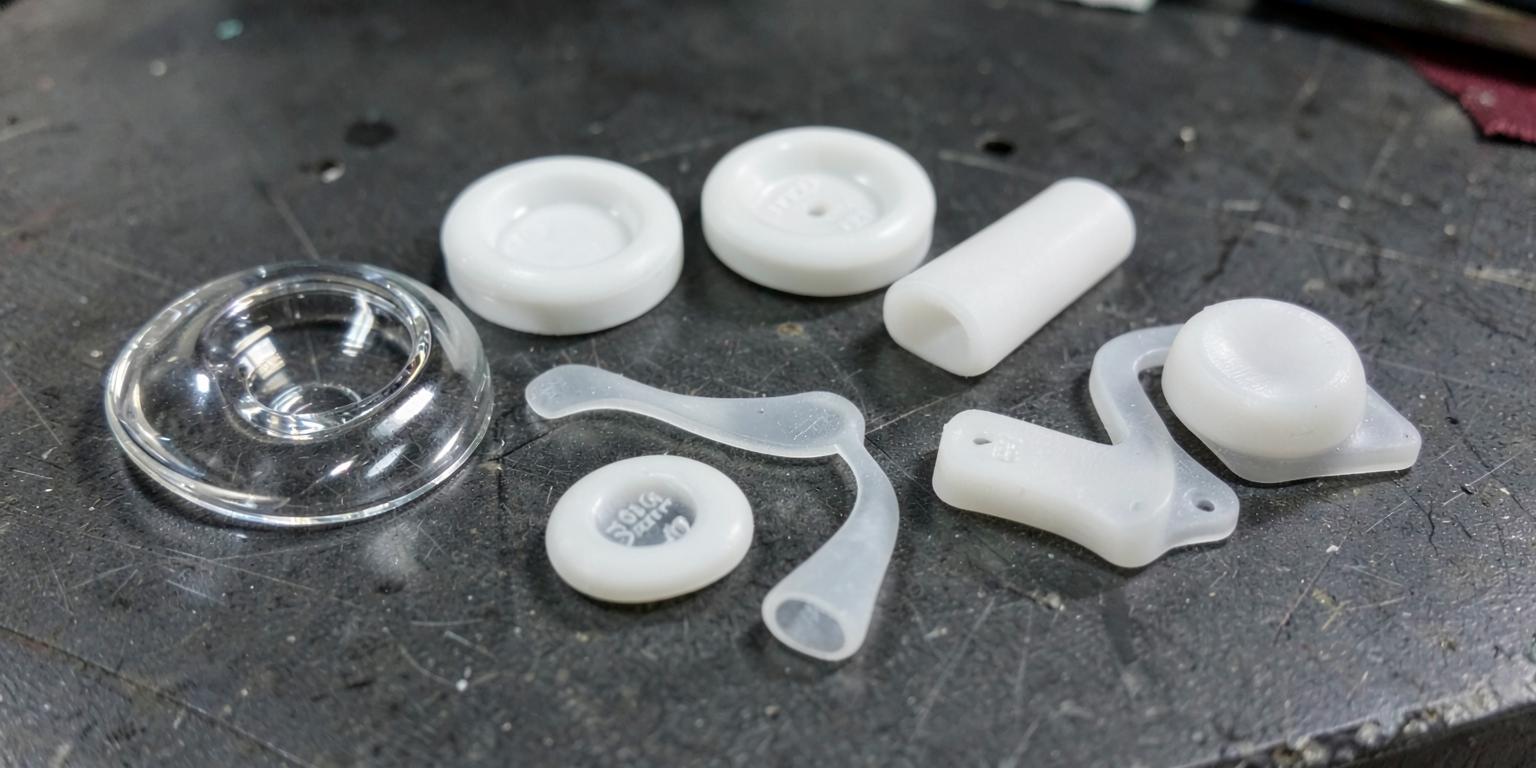
Here's the full rundown of SLA 3D printing materials on offer: four resin grades, each suited to a different job, not a single generic "resin." Quantix 3D Printing runs across four resin materials: a rigid general-purpose resin, our clear resin 3D printing Australia option for optical or visual work, our flexible resin 3D printing Australia option for soft-touch or gasket parts, and a high-temperature resin for parts that need to hold up under real heat.
| Material | Typical Use | Max Build Size | Tolerance |
|---|---|---|---|
| ABS Resin Plastic | General-purpose rigid parts, presentation models, our largest single-piece build capacity | 1700 × 800 × 800mm | ±0.1mm/100mm |
| Transparent Resin | Optical or visual prototyping, lenses, fluid-flow and light-transmission models | 600 × 600 × 400mm | ±0.1mm/100mm |
| White Soft Resin | Flexible, rubber-like parts (Shore 85A): overmoulds, soft-touch grips, gaskets | 600 × 600 × 401mm | ±0.1mm/100mm |
| Temperature Resin | Elevated heat resistance for functional testing and fixtures near heat sources | 600 × 600 × 402mm | ±0.1mm/100mm |
Need a functional nylon part instead of a resin one, or a fully rigid engineering plastic like ULTEM or polycarbonate? See our full plastic materials range → for FDM, SLS, MJF and PolyJet, or see all 45+ 3D printing materials → for metals too.
SLA Compared: FDM and DLP
SLA vs FDM, the short version
| SLA | FDM | |
|---|---|---|
| How it builds | UV laser cures liquid resin, layer by layer | Melted filament extruded, layer by layer |
| Surface finish | Ultra-smooth, high-detail | Moderate, visible layer lines |
| Speed | Moderate | Fastest |
| Relative cost | Moderate | Lowest |
| Largest single-piece build | Up to 1700 × 800 × 800mm | Up to 914 × 609 × 914mm |
| Best suited to | Fine detail, smooth finish, large single-piece builds | Fast, low-cost iteration and functional parts |
If surface finish, fine detail or a large single-piece build matters more than speed and budget, SLA wins; if the opposite is true, FDM does. If your part could go either way, or you're not sure which one it needs, read the full plastic technology comparison on our plastic 3D printing service →, or send us your file and we'll tell you directly, free, before you're quoted anything.
Is SLA the Same as DLP?
| SLA | DLP | |
|---|---|---|
| Light source | Laser, scans each layer point by point | Digital projector, cures a whole layer in one flash |
| Build size | Scales to genuinely large single-piece builds | Limited by the projector's image area |
| Speed | Moderate | Faster on small parts |
| Fine detail | High | High |
Not exactly the same, though the confusion is understandable since both are light-cured resin processes. The difference comes down to how the light is applied: SLA's point-by-point laser scanning is what allows it to hold both fine detail and genuinely large single-piece builds in the same process, which is why it, not DLP, is the resin technology behind our largest build capacity.
Where SLA's Finish and Scale Pay Off
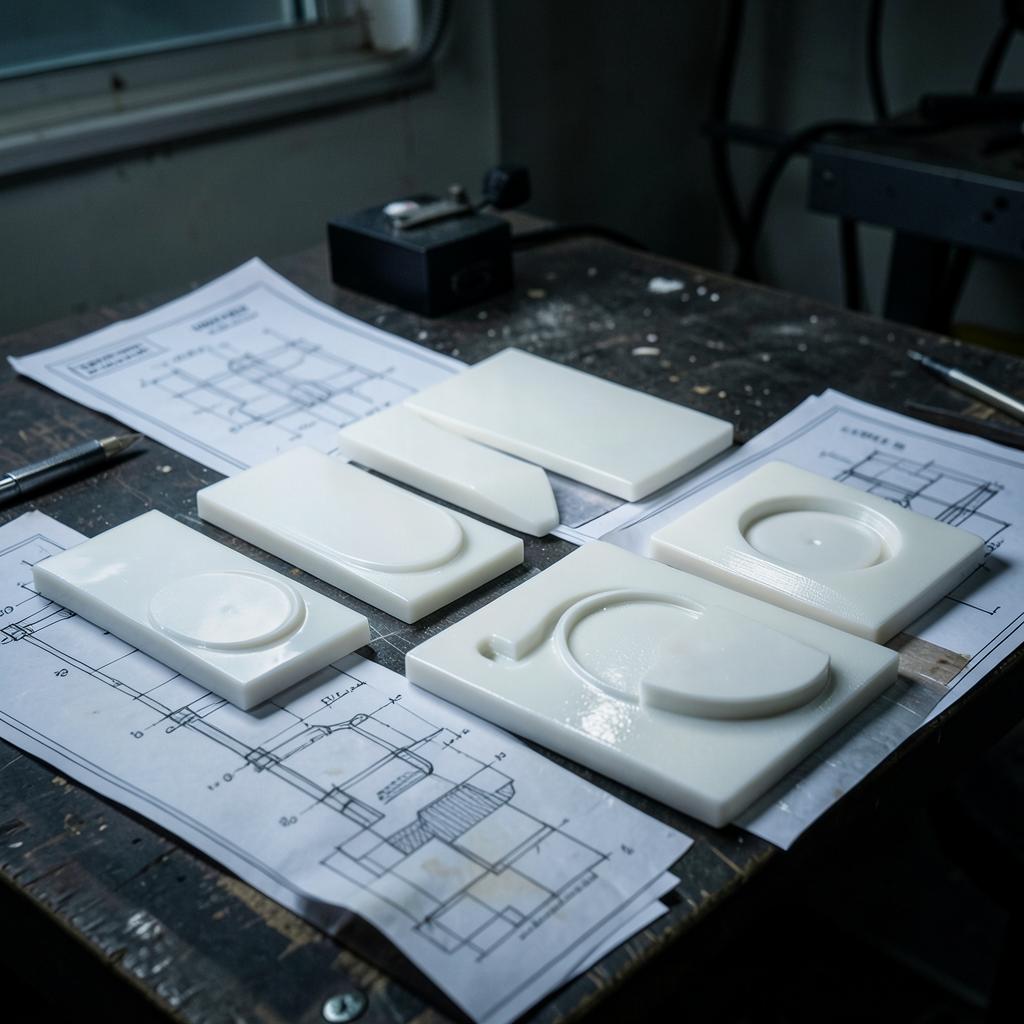
Our SLA printed parts suit applications where surface finish, fine detail or a large single-piece build matters more than raw mechanical strength:
Manufacturing & Engineering:
presentation models, fit-check prototypes and master patterns for tooling or moulding, in a finish close enough to the finished product to present to a client.
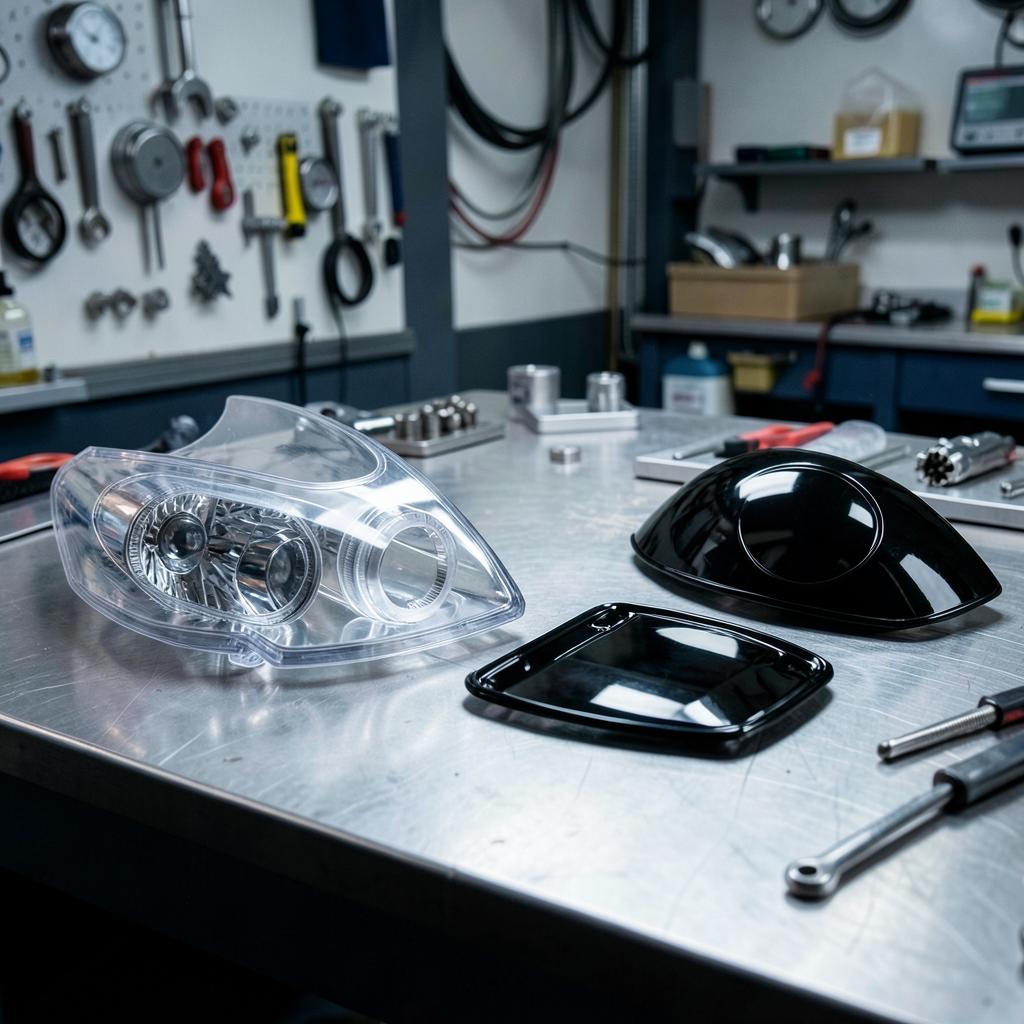
Automotive & Motorsport:
styling and interior trim prototypes, lighting and lens components in transparent resin, and large single-piece body-panel mockups that would need multiple parts bonded together on any smaller process.
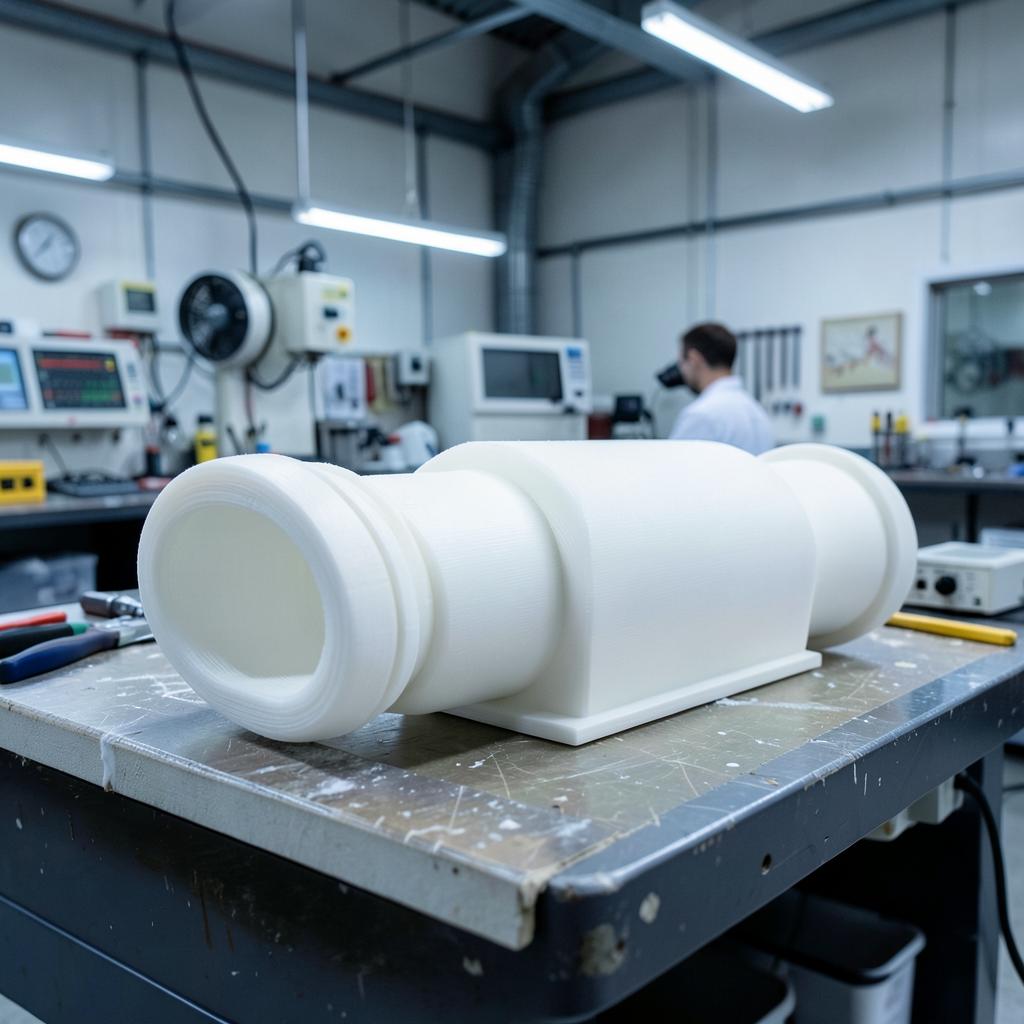
Aerospace & Defence:
form-and-fit prototypes and wind-tunnel or fluid-flow visualisation models, where transparent resin shows internal flow directly.
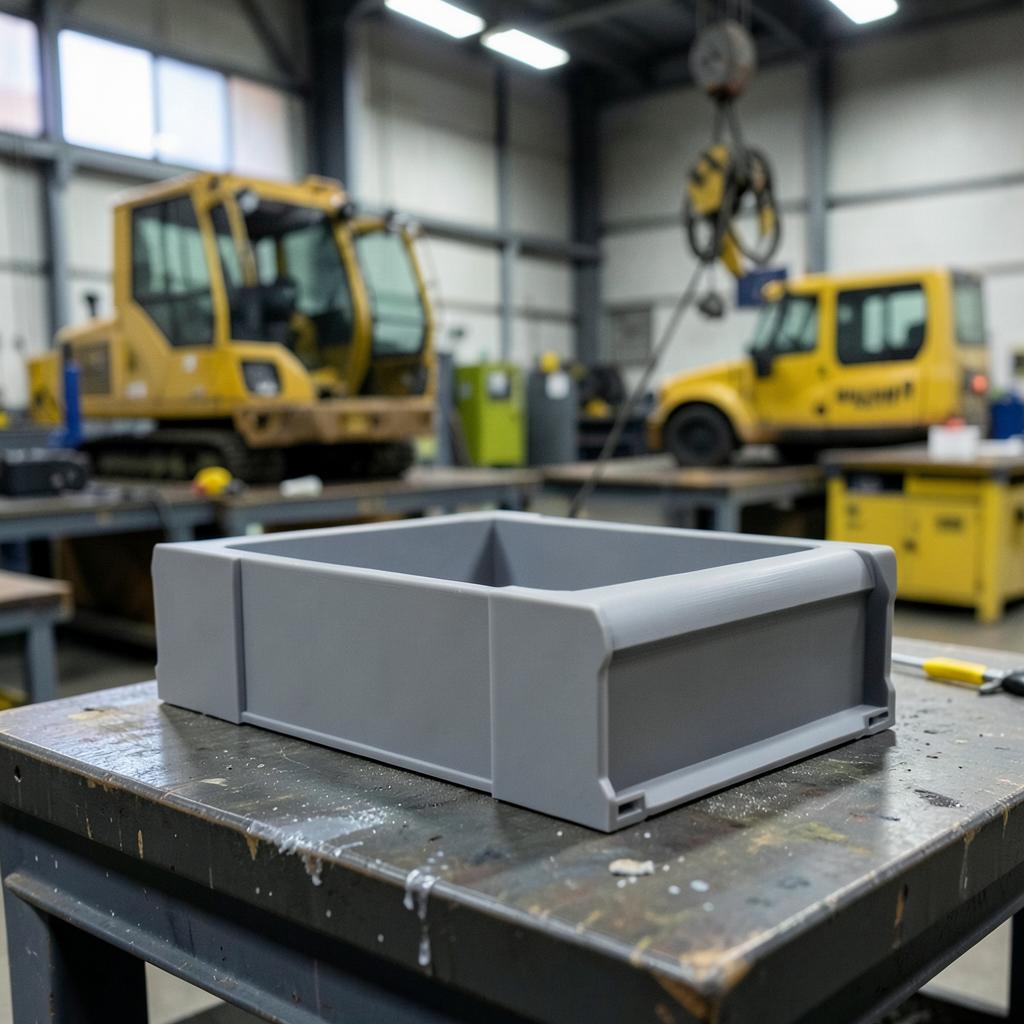
Mining & Resources:
large-format housing and fixture mockups, produced in one piece rather than assembled from smaller sections.
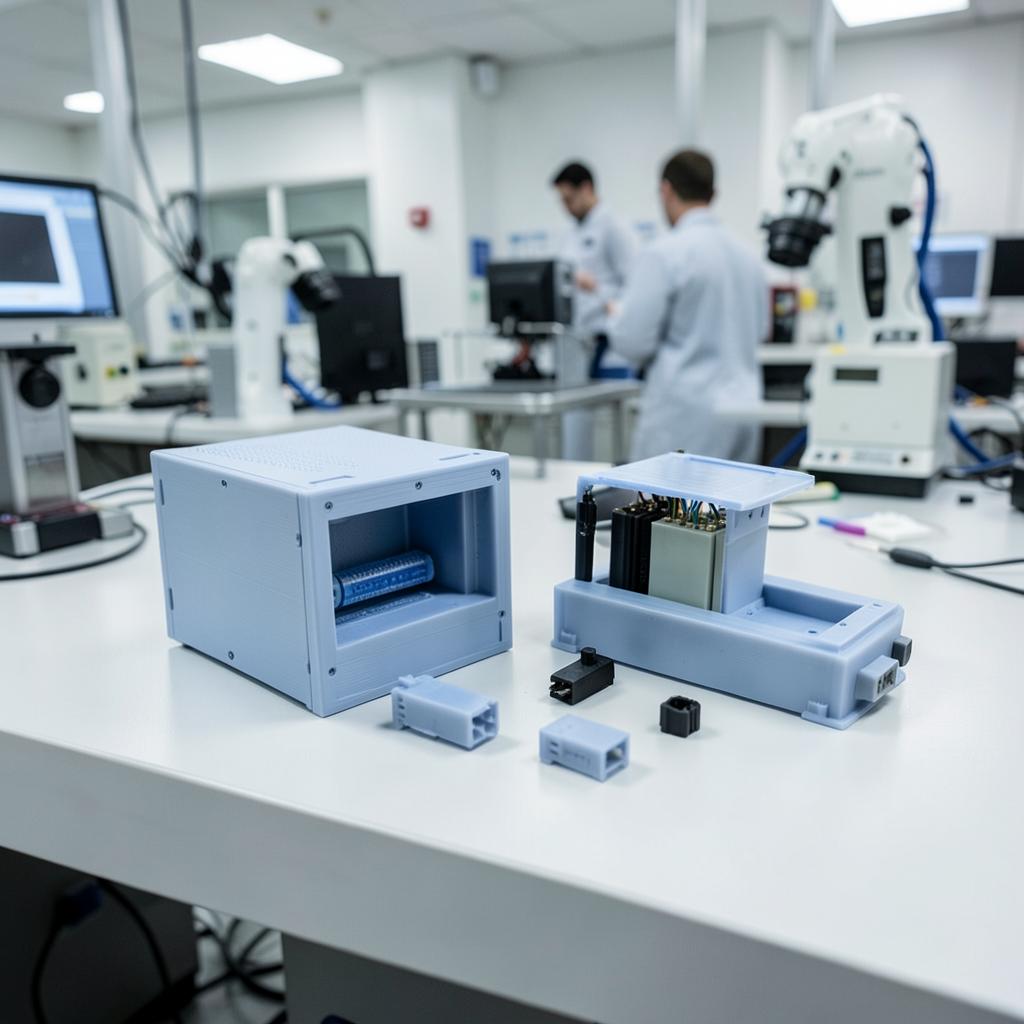
Robotics & Electronics:
precision enclosures and connector prototypes where fine detail and dimensional accuracy matter before committing to tooling.
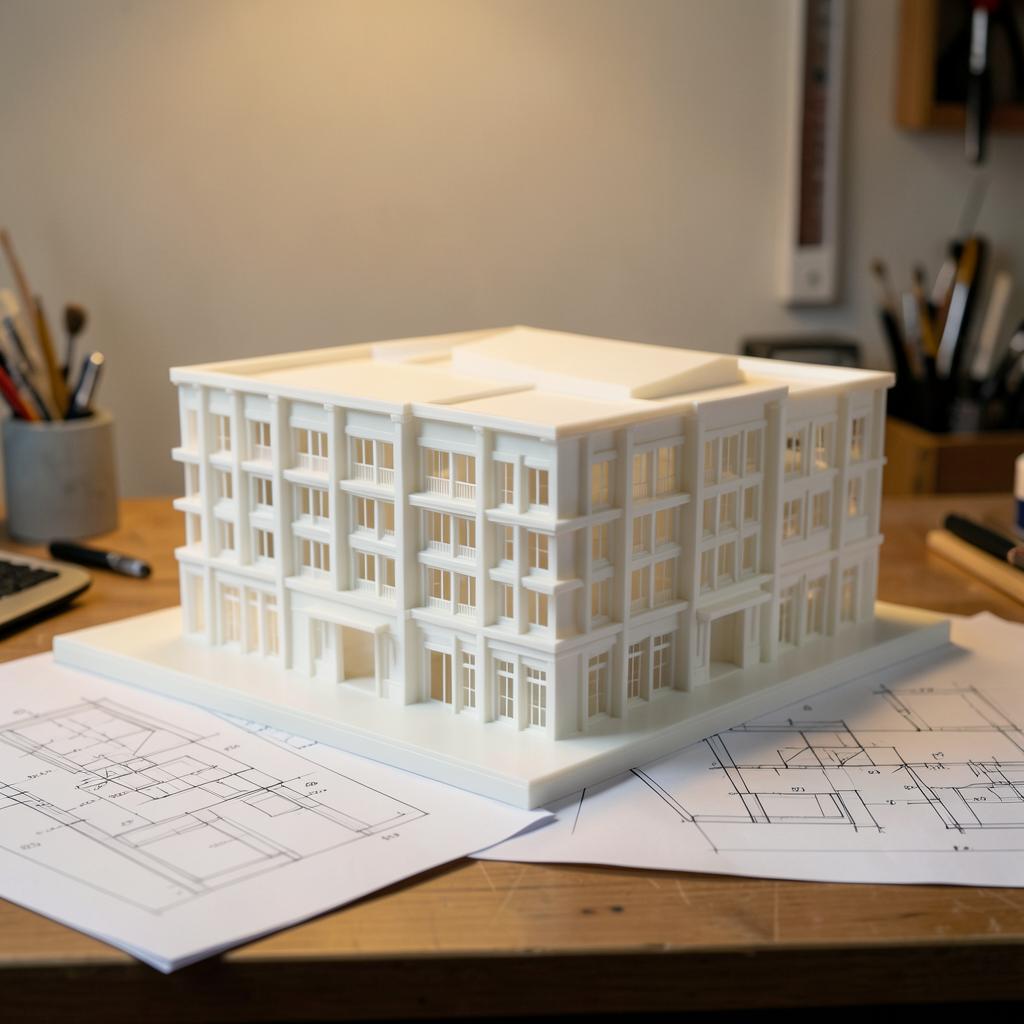
Architecture & Design:
large-scale architectural and concept models where a single 1700 x 800 x 800mm build avoids visible seams between panels.
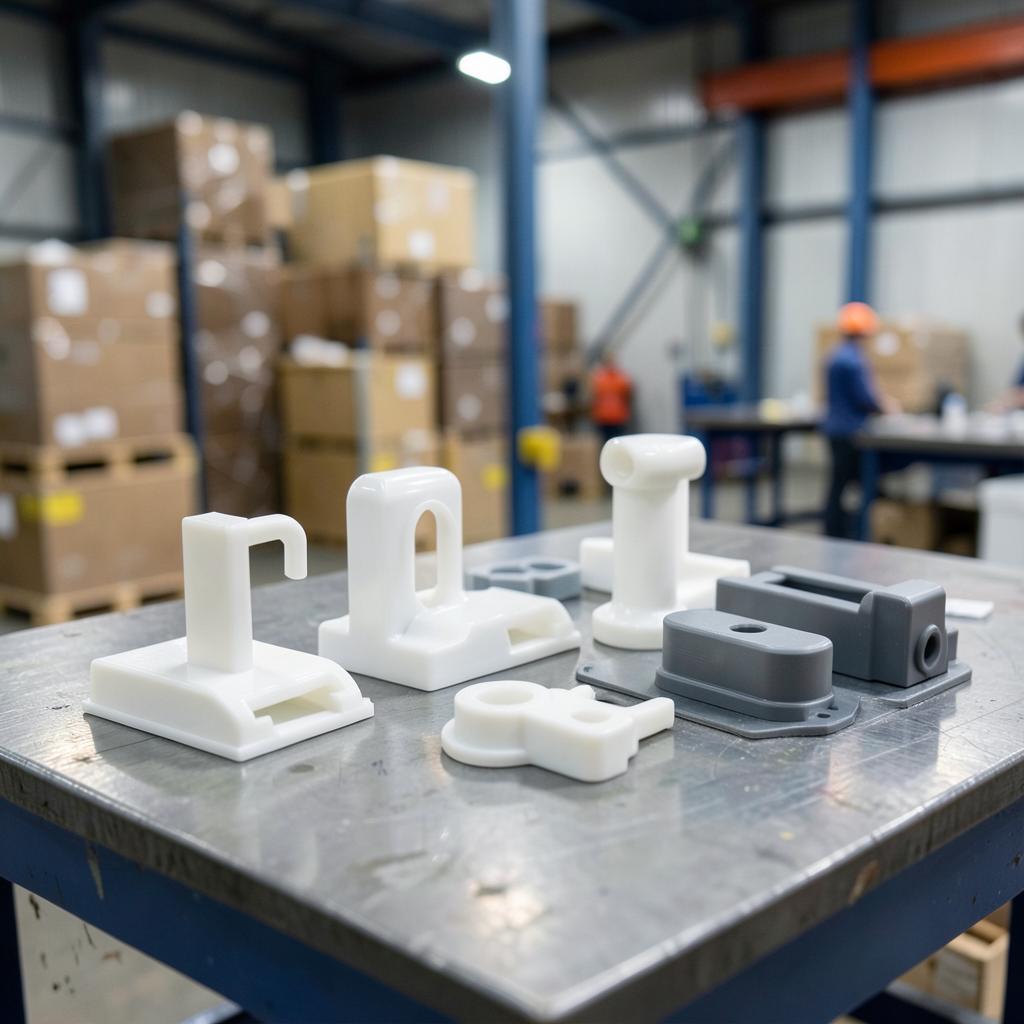
Transport & Logistics:
custom fixtures and equipment mockups where surface finish and appearance matter as much as fit.
Whatever your industry, our SLA 3D printing service adapts to your material, tolerance and finish requirements, from a single presentation model to a full production run.
Why an SLA Quote Isn't a Flat Rate
There's no published rate card for SLA 3D printing cost Australia, because too much of it depends on the part in front of us, not a per-cm³ number most competitors don't bother explaining. Three things do most of the work:
Resin and machine time:
photopolymer resin isn't cheap, and the laser has to trace every cross-section of every part in the vat.
Support volume:
unlike SLS, SLA parts with overhangs need printed supports, and every one has to be removed by hand and finished afterward, labour that scales with how complex the geometry is, not just its size.
Material grade:
standard ABS Resin Plastic sits at the lower end; the transparent, flexible and high-temperature grades cost more again due to lower yield per vat and extra post-processing.
Send your file for an online SLA 3D printing quote and get a number that's actually yours.
Getting From File to Finished Part
- 1
Upload your CAD file:
no account, no call, just a price.
- 2
We plan around your geometry:
support placement, wall thickness and material fit confirmed by an engineer before curing starts.
- 3
Your part is cured, cleaned and shipped:
washed, de-supported, UV post-cured, and sent anywhere in Australia.
Get a Free SLA Quote
Upload your CAD file through the online form. No account or phone call needed; our team follows up directly if there's anything worth flagging about your design first.
- Four resin grades, rigid through to transparent, flexible and high-temperature
- Free design review before anything prints
- Most SLA jobs ship in 5–6 working days
- No minimum order quantity, ships Australia-wide
SLA 3D Printing: Frequently Asked Questions
What is SLA 3D printing?
SLA (Stereolithography) is a resin-based additive manufacturing process that uses a UV laser to cure liquid photopolymer resin, layer by layer, inside a resin vat, building a solid part directly from a CAD file. It remains the benchmark for surface finish and fine detail.
Does SLA 3D printing need support structures?
Yes, for overhanging geometry. Unlike SLS, which is supported by unfused powder as it prints, SLA parts print into open resin and need printed support structures wherever the geometry overhangs. Our team plans support placement to minimise witness marks on visible surfaces, and every support is removed and finished as standard.
Is SLA the same as DLP?
Not exactly. Both cure liquid resin with light, but SLA uses a laser to trace and cure each layer point by point, while DLP projects a whole layer's image at once, which can be faster on small parts but limits DLP's build size to the projector's image area. SLA's scanning approach is what allows genuinely large single-piece builds.
What materials can you SLA print?
Four resin materials: ABS Resin Plastic for general-purpose rigid parts and our largest single-piece build, Transparent Resin for optical or visual prototyping, White Soft Resin for flexible, rubber-like parts, and Temperature Resin for parts that need elevated heat resistance.
How smooth is an SLA part, really?
Very. SLA produces an ultra-smooth, near-injection-moulded surface finish straight off the machine, the smoothest of any process we run, with fine detail down to 0.2mm.
How much does SLA 3D printing cost?
It depends on part size, geometry, how many support structures the part needs, and material. Transparent, flexible and high-temperature resin sit above standard ABS Resin Plastic. Upload your file for an exact figure.
How long does an SLA job take?
Most SLA jobs ship in 5–6 working days, though complex geometries with heavy support requirements can extend that; we'll confirm timing at quote stage.
What's the biggest part you can SLA print?
Up to 1700 × 800 × 800mm in a single piece in ABS Resin Plastic, the largest verified SLA build capacity of any Australian provider we reviewed in our own competitor research. The transparent, flexible and high-temperature grades run smaller, up to 600 × 600 × 402mm. Send your file and we'll confirm it fits before you commit to anything.
Is there an SLA 3D printing service near me?
We're not a shopfront in any one postcode. Quantix 3D Printing operates as an online, Australia-wide service, so rather than typing SLA 3D printing near me, send your file and we'll ship your finished part wherever you are in the country.
Is there a minimum order for SLA 3D printing?
No. A one-off presentation model and a full production batch are quoted and handled the same way, with no lock-in contract.
Do you keep our files and project details private?
Yes. Everything sent to us is treated as confidential, full stop.
How do I get an SLA 3D printing quote?
Upload your CAD file through the online form. No account or phone call needed; our team follows up directly if there's anything worth flagging about your design first.
Your Next SLA Part Starts Here
The smoothest finish in 3D printing, in single-piece builds up to 1700 x 800 x 800mm: Quantix 3D Printing is the SLA 3D printing company Australia turns to, running an online, Australia-wide service quoted before you talk to anyone. Upload your file, get your price, and we'll flag anything worth knowing about the design first. No minimum batch, nothing locked in, shipped nationwide.