3D Printing Technologies: Seven Processes, One Right Fit for Your Part
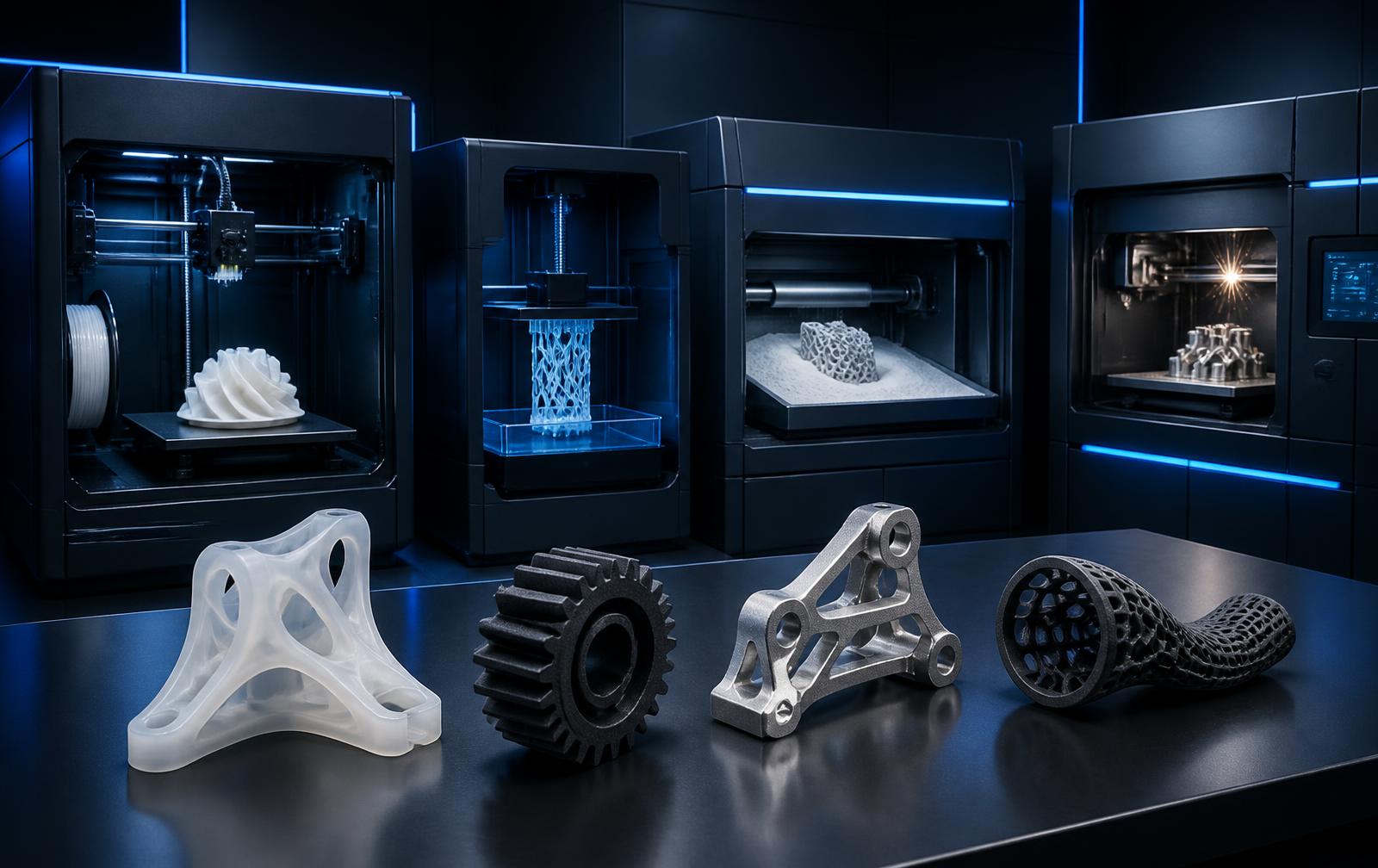
Guessing which of the seven costs you time, budget, and reprints. Quantix 3D Printing runs FDM, SLA, SLS, MJF, PolyJet, SLM and DMLS in-house and matches the right one to your part before you commit to anything, free with every quote.
7
Technologies in-house, plastic & metal
45+
Materials matched to your part
10mm – 1700mm
Full build size range across every process
Free
Process match with every quote, no minimum order
3D Printing Technologies, Matched to Your Part, Not the Other Way Around
Most delays on the factory floor don't come from the part itself; they come from the wrong 3D printing technology being used to build it: a prototype run on a process that fails its tolerance check, a production job quoted by a supplier who only runs one machine type and forces every job onto it, or days lost waiting on a quote just to be told the technology doesn't suit the part at all. Quantix 3D Printing was built to remove that risk. We run all seven 3D printing technologies in industrial use today, FDM, SLA, SLS, MJF, PolyJet, SLM and DMLS, in-house, under one online, Australia-wide service, so your part is never forced onto whichever machine happens to be free. Our engineers match the technology to what the part actually has to survive, at no extra cost, before you're quoted anything: the difference between a part that ships on time, to spec, the first time, and one that comes back for a reprint.
Why manufacturers choose Quantix 3D Printing for every technology
Built for Commercial and Industrial 3D Printing
Quantix 3D Printing runs the full spread of 3D printing processes Australia manufacturers need under one roof: the kind of industrial additive manufacturing Australia businesses turn to when a part has to perform, not just look right in a render. Here's what that looks like in practice, not a brochure list of buzzwords:
All seven technologies, one supplier
FDM, SLA, SLS, MJF, PolyJet, SLM and DMLS under one roof, so you're never told “we don't do that one.”
Engineer-matched, not self-selected
every file gets a free process and material recommendation before it's quoted.
No minimum order quantity
a single prototype and a multi-hundred-unit batch are quoted and handled the same way.
Fast where it counts
FDM ships in 24 hours; every other technology typically ships in 5–6 working days.
Procurement-ready
purchase-order friendly, no lock-in contracts, and account support for repeat orders.
National reach
quoted and shipped to every state and territory, with the same technology range no matter where you're based.
Strictly confidential
every file and project detail stays private.
45+ materials on hand
plastics, resins, nylon, composites and metals, matched to the part rather than limited to what's in stock.
Find your technology in 60 seconds
Which 3D Printing Technology Should You Use?
Need it fast? Ships in 24 hours.
Need the smoothest finish or the largest single-piece build? Up to 1700 × 800 × 800mm.
Need a functional part that survives real handling, with no support marks?
Need production-run consistency, part after part?
Need multi-colour or multi-material in one build?
Need strength-to-weight or heat resistance beyond plastic, on a larger structural part?
Need that same strength in a finer, more complex shape?
Still not sure? Send Us Your File → and an engineer will tell you, free, before you're quoted anything. You can also read more about FDM, SLS or SLM 3D printing.
All 7 technologies: full technical comparison
3D Printing Technology Comparison: Build Size, Tolerance and Turnaround
Seven additive manufacturing technologies Australia industry can access from one supplier: 3D printing methods explained as numbers, not adjectives:
| Technology | How It Builds | Material | Max Build Envelope | Tightest Tolerance | Ships In | Best For |
|---|---|---|---|---|---|---|
| FDM | Melts plastic filament, layer by layer | Plastic | 914 × 609 × 914mm | ±0.15mm/100mm | 24 hours | Fast, low-cost prototypes |
| SLA | UV laser cures liquid resin | Resin | 1700 × 800 × 800mm | ±0.1mm/100mm | 5–6 days | Smoothest finish, largest single-piece builds |
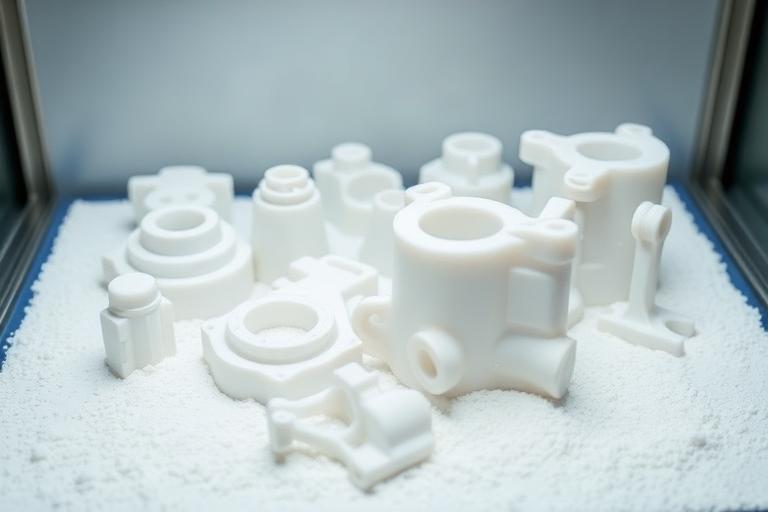
| SLS | Laser fuses nylon powder, no supports needed | Nylon | 675 × 545 × 366mm | ±0.1mm/100mm | 5–6 days | Complex geometry, functional parts |
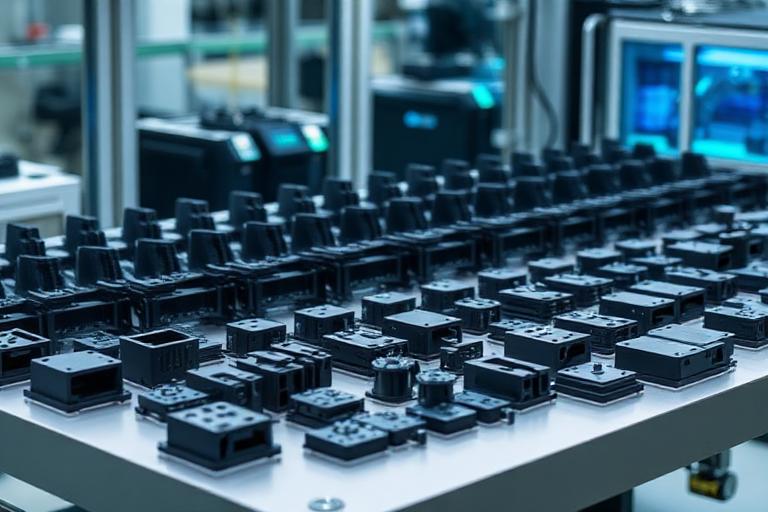
| MJF | Fusing agent + heat across a nylon powder bed | Nylon | 380 × 284 × 380mm | ±0.1mm/100mm | 5–6 days | Consistent production runs |
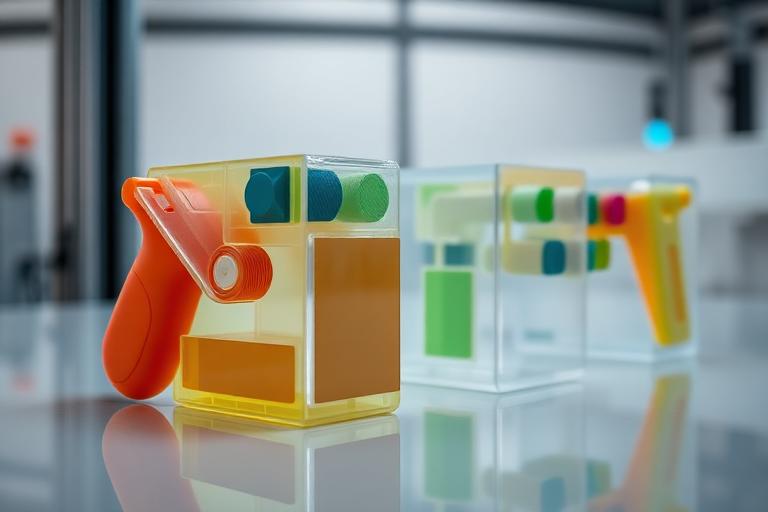
| PolyJet | Multiple resins jetted and cured together | Photopolymer | 490 × 390 × 200mm | ±0.1mm/100mm | 5–6 days | Multi-colour, multi-material parts |
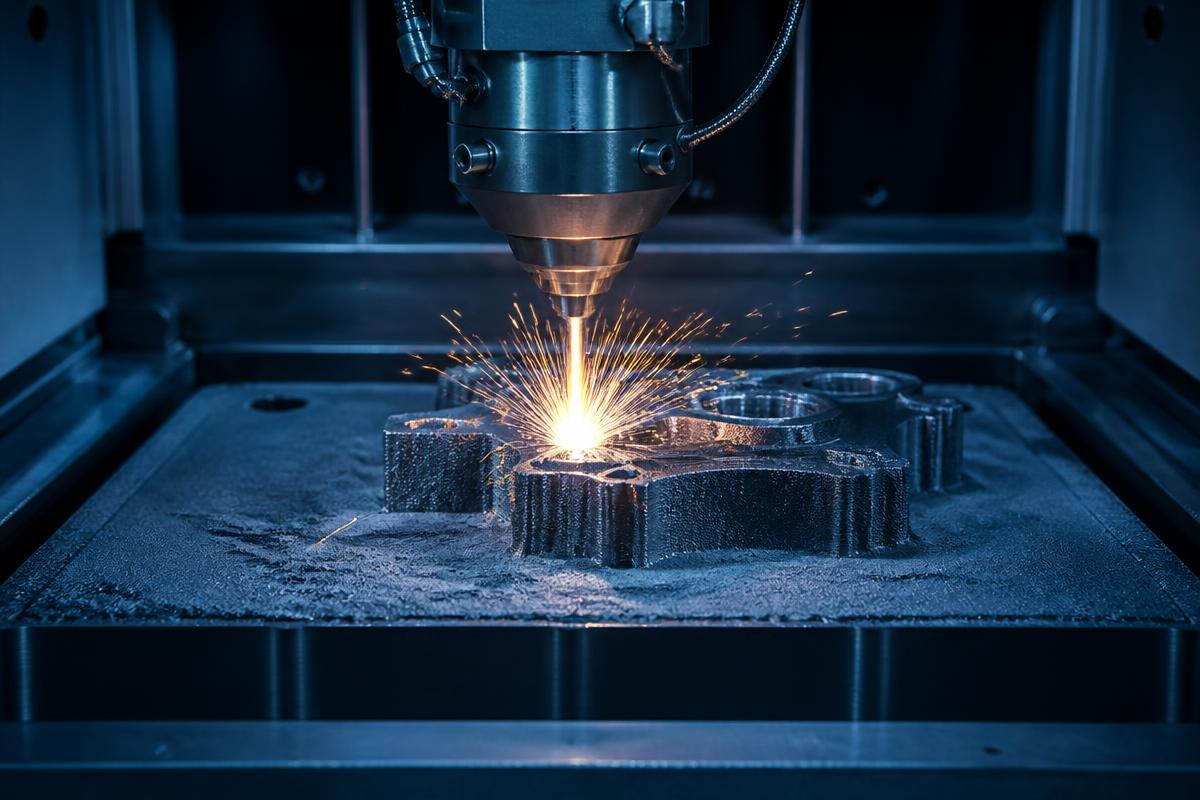
| SLM | Laser fully melts metal powder | Metal | 760 × 390 × 390mm | ±0.2mm/100mm | 5–6 days | Larger structural metal parts |
| DMLS | Laser sinters metal powder | Metal | 220 × 220 × 250mm | ±0.2mm/100mm | 5–6 days | Fine, complex metal geometry |
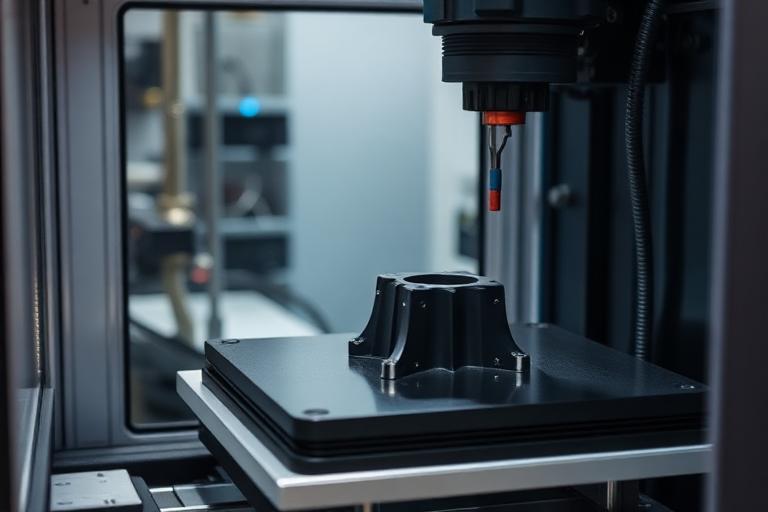
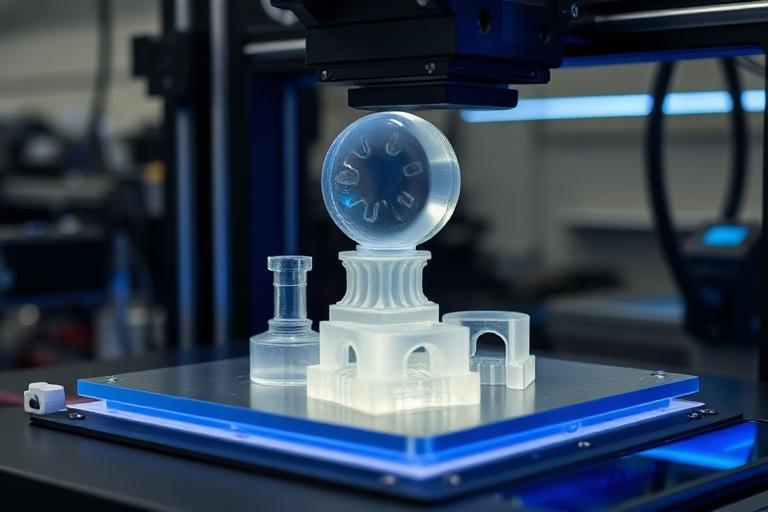
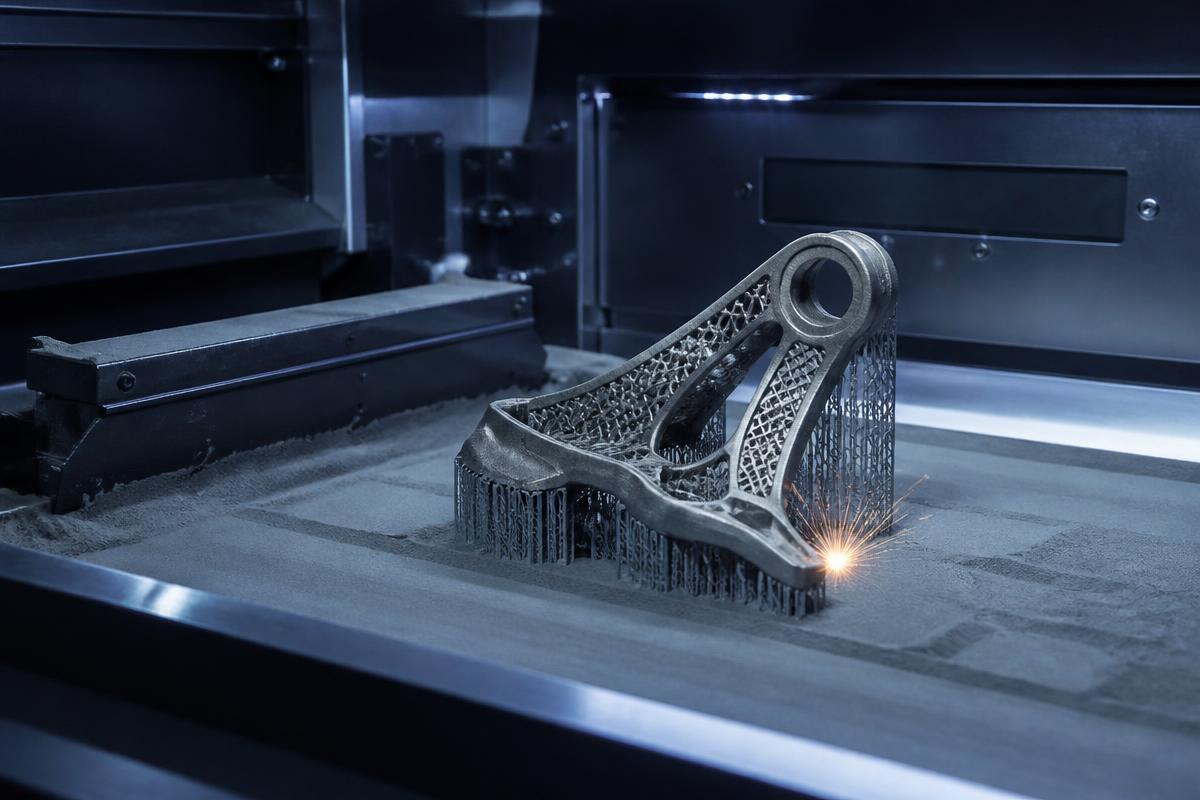
Most development cycles use more than one: FDM to check fit, SLA or PolyJet to check finish, SLS, MJF or metal to prove it performs. Not sure where yours lands?
Detailed technology guides
Explore Each 3D Printing Technology in Depth
Jump into the dedicated pages below for process details, materials, tolerances, build envelopes, cost drivers and industry applications.
FDM 3D Printing
Fused Deposition Modeling for fast, cost-effective plastic prototypes and functional parts.
Read the guideSLS 3D Printing
Selective Laser Sintering for strong, support-free nylon parts and complex geometries.
Read the guidePolyJet 3D Printing
Material jetting for rigid, clear, coloured and rubber-like sections in one ultra-smooth part.
Read the guideSLM 3D Printing
Selective Laser Melting for fully dense metal parts in aluminium, titanium, steel and more.
Read the guide3D printing vs. traditional manufacturing
3D Printing vs. CNC Machining and Injection Moulding
Choose 3D Printing When
- You need the first part in days, not the six-plus weeks tooling typically takes
- The geometry (internal channels, consolidated assemblies) can't be moulded or machined
- Order quantity sits from one unit to a few hundred
- The design is still changing between revisions
Choose CNC Machining or Injection Moulding When
- Order quantity runs into the thousands, where tooling investment pays off
- The design is finalised, with no further iteration expected
- You need a specific machined finish or metal grade at scale
Plenty of manufacturers use 3D printing technology to prove a design works, then move to CNC or injection moulding once volume justifies tooling. Quantix 3D Printing doesn't offer CNC or injection moulding directly, but we'll tell you plainly if that's the better fit for your job, as part of the same free process review every quote already includes.
Technical capability and production capacity
What Quantix 3D Printing Can Actually Build
Full size range
10 x 10mm up to a single 1700 × 800 × 800mm SLA build, the widest span of any Quantix 3D Printing page, because it's the only one spanning all seven processes at once.
Tolerance by process family
±0.1mm/100mm on SLA, SLS, MJF and PolyJet; ±0.15mm/100mm on FDM; ±0.2mm/100mm on SLM and DMLS metal parts, checked on every job as part of the free design review.
45+ materials across all seven processes
plastics, engineering resins, nylon and composite powders, photopolymers, and metals including titanium, stainless steel and aluminium. See the Full Material List →
Batch capacity
a single prototype and a multi-hundred-unit production run go through the same quoting process, on any of the seven technologies, with no minimum order and no setup fee.
File formats accepted
STL, STEP, IGES and most common CAD formats, across every process.
Cross-process projects
FDM for fit-check, SLA for presentation, MJF or metal for production; one project, one quote, tracked as a single job.
What drives cost across the seven technologies
3D Printing Technology Cost: Three Tiers, Not One Number
| Tier | Technologies | What Drives the Cost |
|---|---|---|
| 1 (Lowest) | FDM | Cheap filament, fast machine time, minimal post-processing |
| 2 (Mid-range) | SLA, PolyJet, SLS, MJF | Resin or nylon powder cost, plus longer cure or fuse time |
| 3 (Premium) | SLM, DMLS (metal) | Expensive metal powder, longer laser time on a metal bed |
Inside every tier, four things move the number: part size, geometry complexity, finishing beyond as-printed, and order quantity, where per-unit cost drops as volume increases, with no minimum required to get there. Upload a file for the real number; a tier tells you roughly where you'll land, not what you'll pay.
Where these technologies get used
Industrial 3D Printing Technologies Across Australian Business
Most sectors lean on more than one row of the comparison table above:
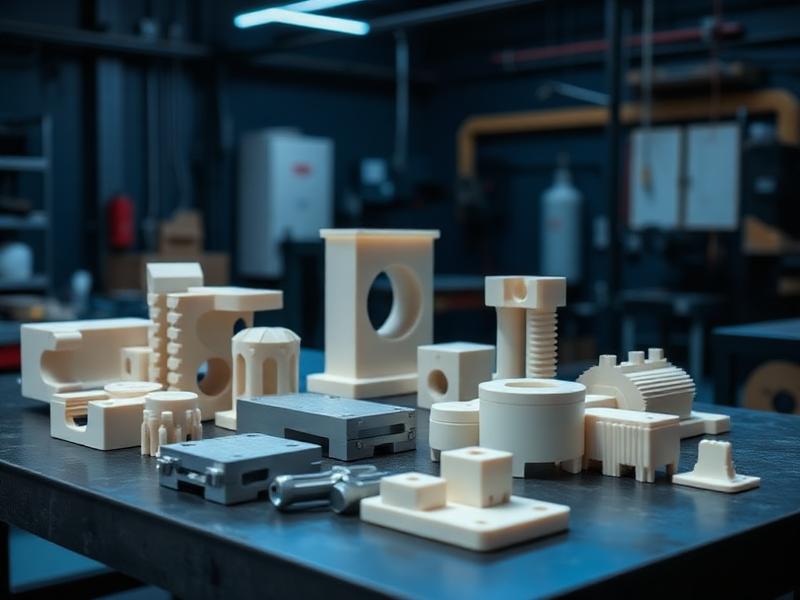
Manufacturing & Engineering
tooling, jigs, fixtures and functional prototypes.
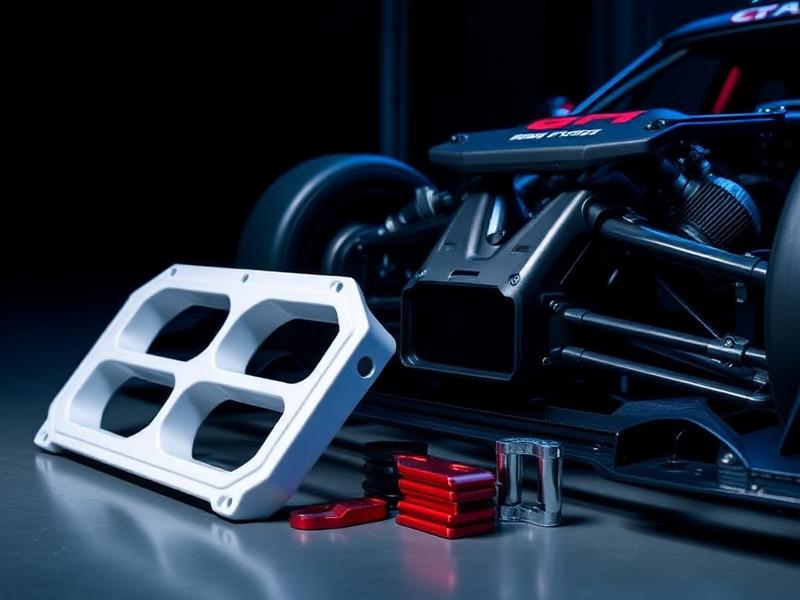
Automotive & Motorsport
rapid-iteration brackets and trim, plus SLM/DMLS parts for real strength-to-weight.
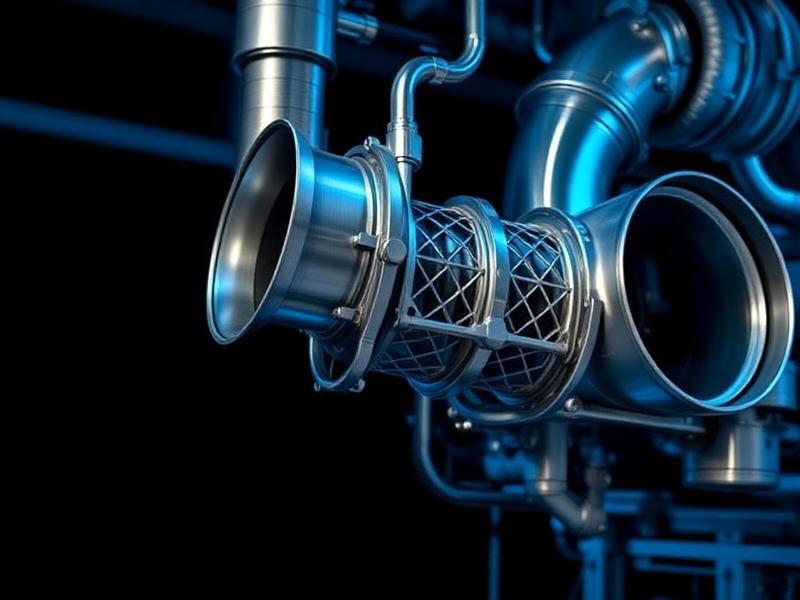
Aerospace & Defence
DMLS titanium and nickel-alloy components, SLS ducting and brackets.
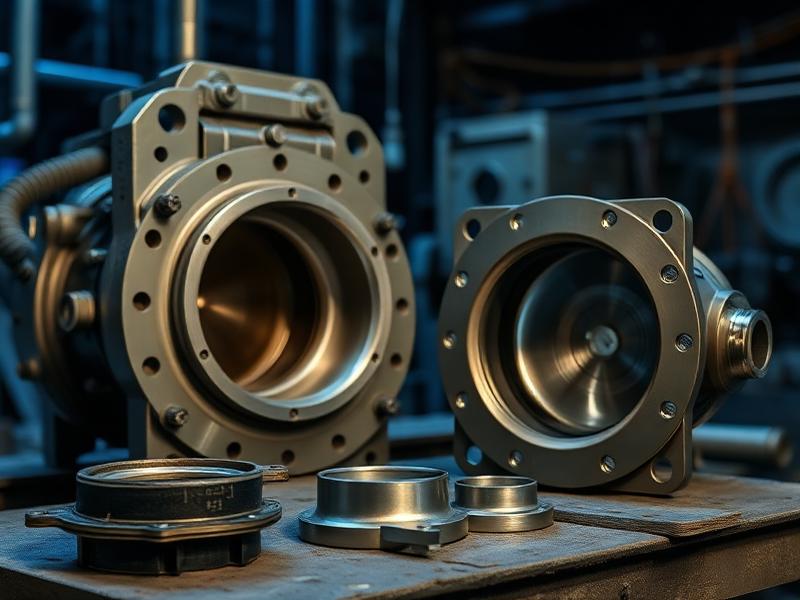
Mining & Resources
fast-turnaround replacement housings, metal for structural or wear load.
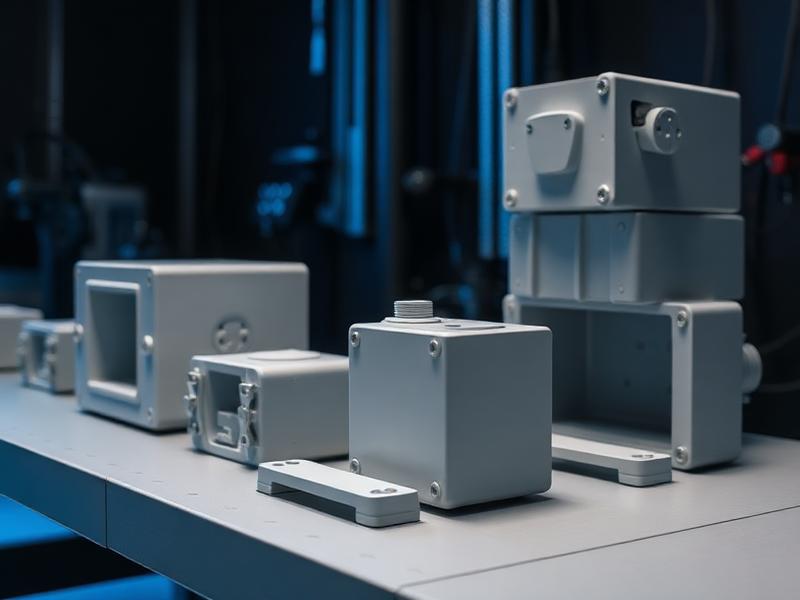
Robotics & Electronics
MJF for consistent, repeatable enclosures and brackets.
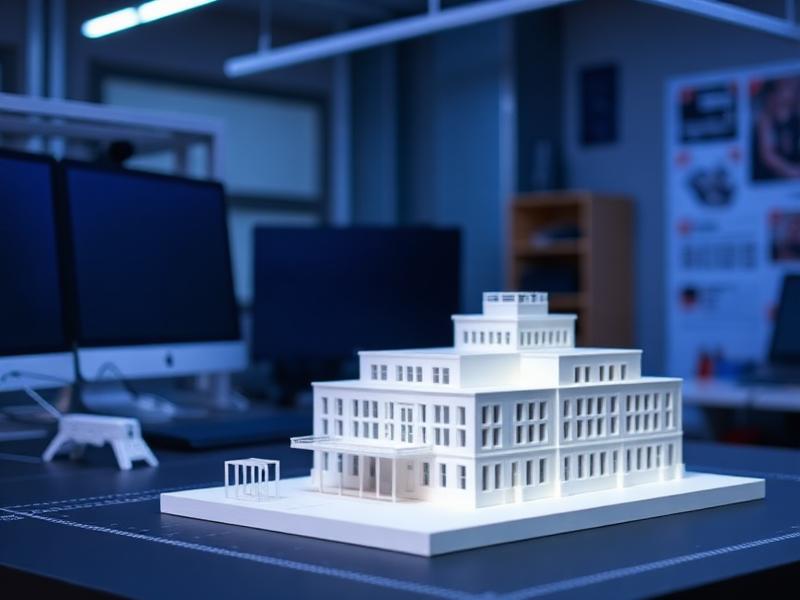
Architecture & Design
SLA and PolyJet presentation models.
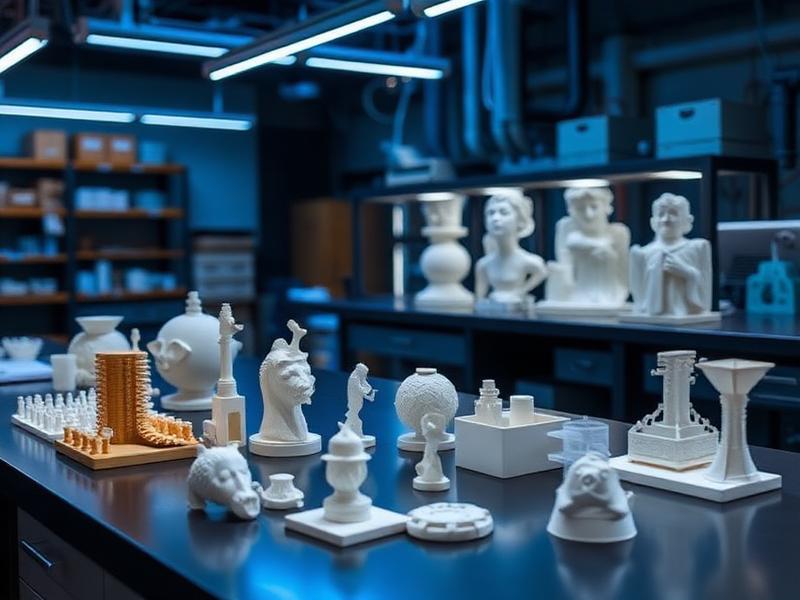
Education & Research
FDM teaching models, SLA detail-critical prototypes.
Transport & Logistics
SLS and MJF custom fixtures and equipment housings.
From enquiry to finished part
How Quantix 3D Printing Picks the Right Technology for You
- 1
Step 1
Send your file and describe the part
what it needs to survive, how many you need.
- 2
Step 2
We match the technology, free
an engineer shortlists and checks tolerance risk before anything's quoted.
- 3
Step 3
You get one quote
tied to the recommended process and material, no obligation.
- 4
Step 4
It's built, checked and shipped
anywhere in Australia.
Technology match request
Get a Free Technology-Matched Quote
Send your file and tell us what the part has to survive. An engineer shortlists the right process and material, free, before anything is quoted.
- All seven technologies in-house: FDM, SLA, SLS, MJF, PolyJet, SLM and DMLS
- 45+ materials matched to the part, not to what's in stock
- FDM ships in 24 hours; every other technology typically ships in 5–6 working days
- No minimum order quantity, shipped anywhere in Australia
3D Printing Technologies: Frequently Asked Questions
How many types of 3D printing technology are there?
Seven are in mainstream industrial use: FDM, SLA, SLS, MJF, PolyJet, SLM and DMLS. Quantix 3D Printing runs all seven in-house.
What's the difference between all the 3D printing technologies?
How they build the part, what materials they support, and the detail, size and cost that result. The comparison table above lines up all seven side by side.
Which 3D printing technology should you use?
It depends on the part. FDM wins on speed and cost, SLA on finish and size, SLS and MJF on functional strength, PolyJet on multi-material builds, and SLM or DMLS once the part needs to be metal. Section 6 above narrows it down in seconds.
Which 3D printing technology is fastest?
FDM, by a wide margin, typically ships within 24 hours. The other six typically ship in 5–6 working days.
Which 3D printing technology is strongest?
SLS and MJF nylon lead among plastics. Beyond plastic, metal (SLM or DMLS) in titanium, stainless steel or nickel alloys is stronger again.
Which 3D printing technology is cheapest?
FDM sits at the bottom of the cost ladder. SLA, PolyJet, SLS and MJF sit mid-range; metal (SLM/DMLS) carries the highest relative cost. See Section 10.
Is 3D printing technology accurate enough for engineering tolerances?
Yes, within process-specific limits: ±0.1mm/100mm on SLA, SLS, MJF and PolyJet; ±0.15mm on FDM; ±0.2mm on SLM and DMLS. Every job gets a dimensional check as part of the free design review.
Should you use 3D printing or CNC machining for your part?
3D printing usually wins when you need the first part fast, the geometry can't be machined or moulded economically, or order quantity is too low to justify tooling. CNC or injection moulding usually wins once volume climbs into the thousands. See Section 8.
Can one company really run all seven technologies?
Yes. Quantix 3D Printing operates FDM, SLA, SLS, MJF, PolyJet, SLM and DMLS in-house, so the process is matched to the part, not the other way around.
Is DMLS better than SLM?
Neither is universally better: SLM suits larger, denser structural parts; DMLS suits finer, more complex ones. More detail on our metal 3D printing page →
What's the newest 3D printing technology?
These seven are the established, production-proven technologies in industrial use today. We won't quote a process we can't back with real capability.
Is there a minimum order quantity?
No, on any of the seven technologies: a single prototype and a full production batch are quoted the same way.
How do you get a quote across multiple technologies for one project?
Upload your files and note that the project spans more than one process; we'll quote and track it as a single job.
Do you keep my files and project details confidential?
Yes. Everything shared with Quantix 3D Printing, across every technology, is treated as strictly confidential.
Match Your Part to the Right 3D Printing Technology
Seven processes, one engineer-reviewed recommendation, no guesswork on your end. Upload your file, tell us what the part needs to survive, and get a technology-matched quote, with no minimum order, nothing locked in, shipped anywhere in Australia.